

If ever a song bled pure tension, it’s Fight. Its snarling lines—“Gonna pulp you to a mass of bruises” or “What I want is power, more power ”—aren’t just rock bravado; they’re a mirror of the storm raging inside the Rolling Stones’ camp.
If ever a song bled pure tension, it’s Fight. Its snarling lines—“Gonna pulp you to a mass of bruises” or “What I want is power, more power ”—aren’t just rock bravado; they’re a mirror of the storm raging inside the Rolling Stones’ camp.

Mick Jagger emphasizes the addictive nature of live performances and the importance of balance. Pacing oneself enhances the thrill, ensuring that each show remains fresh and engaging for both artists and audiences.

‘Monsoon Ragoon’, an unreleased 1993 Rolling Stones jam, showcases the band’s experimental side and spontaneous energy. Recorded in Ireland, it features rich musical interplay and highlights their creative risk-taking.

‘Heart of Stone’ by The Rolling Stones showcases their evolution, blending bluesy swagger with dark, rebellious lyrics. The song highlights Jagger’s charm and vulnerability, marking a pivotal moment in their musical journey.

Bill Wyman’s return to The Rolling Stones in 2012 for two songs showcased nostalgia but lacked a full comeback, with Wyman feeling limited by minimal rehearsal and support from Charlie Watts.

The unreleased instrumental version of ‘Let It Loose’ offers a glimpse into The Rolling Stones’ creative chaos during 1971, highlighting raw emotions and textures without vocals, revealing their artistic evolution.

‘We’re Wastin’ Time’ by The Rolling Stones is a forgotten, melancholic hybrid of pop and country, featuring session musicians like Big Jim Sullivan and Jimmy Page, showcasing the creativity of 1960s studio sessions.

In 1971 the Rolling Stones launched their own label, Rolling Stones Records, gaining creative control and financial benefits. Their iconic album Sticky Fingers symbolized their newfound independence and legacy.

‘Honky Tonk Women’ de los Rolling Stones, inspirada en un viaje a Brasil en 1968, fusiona blues-rock y experiencias personales, convirtiéndose en un himno icónico y representativo de la banda.

When the Rolling Stones stepped back into the studio in early 1969, they weren’t just refreshed from vacation—they were charged with new creative energy. Out of that spark came Midnight Rambler, one of the band’s most unsettling songs.

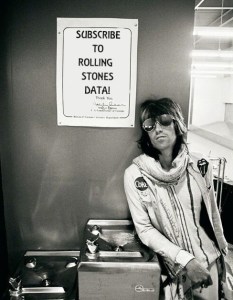 Subscribe to Stones Data here and get all posts delivered to you for free. Everybody got to go!
 Stones Data on Substack