

The Rolling Stones turn ‘I’m Moving On’ into something sharp and restless in 1965—and somehow a young engineer in the room had no idea what he was about to witness.
The Rolling Stones turn ‘I’m Moving On’ into something sharp and restless in 1965—and somehow a young engineer in the room had no idea what he was about to witness.

At 7 a.m., most of The Rolling Stones were asleep. The song they left behind became one of the band’s strangest warnings. Why does ‘Play with Fire’ still feel dangerous?

A plane ticket, a fresh start, and a very bad landing. The Rolling Stones turned ‘Flight 505’ into one of their strangest stories—and that’s only the beginning.

What made The Rolling Stones trade swagger for regret on ‘Streets of Love’? The answer may be hiding between the lyrics and a few unresolved memories.

The Rolling Stones close Voodoo Lounge like they’re still not done proving anything. ‘Mean Disposition’ sounds fun, messy, and a little too confident for its own good.

The Rolling Stones’ ‘Good Time Women’ sounds like ‘Tumbling Dice’ before it learned confidence—faster, rougher, and still not sure how it became a classic.

The Rolling Stones bring Taj Mahal onstage for ‘Corinna’ in 1997—blues history, slide guitar fire, and a moment that feels way too loose to be planned.

The Rolling Stones didn’t debut with a bang—’Come On’ landed in 1963 after a rushed studio night and label nerves nobody talks about enough.

The Rolling Stones turn Hank Williams’ ‘You Win Again’ into a loose late-night studio moment—Keith on piano, pedal steel drifting, and nothing quite behaving as expected.

The Rolling Stones pulled a surprise on the Licks Tour—Keith Richards turning ‘The Nearness of You’ into something nobody expected, and it actually works.

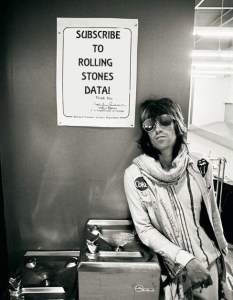 Subscribe to Stones Data here and get all posts delivered to you for free. Everybody got to go!
 Stones Data on Substack