

‘Ride On Baby’, a forgotten Rolling Stones track from the Aftermath era, showcases their pop experimentation and sharp lyricism, revealing the band’s shift from blues to adventurous studio craftsmanship.
‘Ride On Baby’, a forgotten Rolling Stones track from the Aftermath era, showcases their pop experimentation and sharp lyricism, revealing the band’s shift from blues to adventurous studio craftsmanship.

The Rolling Stones’ rendition of Magic Sam’s ‘All of Your Love’ reinterprets the heartfelt original, blending their unique style while honoring the emotional depth and pioneering sound of blues.

The Rolling Stones’ version of ‘Too Rude’, a reggae track from 1986, showcases Keith Richards’ vocal grit and deep roots in reggae, highlighting its transformative story and emotional depth.

‘Dancing with Mr. D’ by The Rolling Stones features eerie, death-themed lyrics and a funky sound, exploring mortality and dark themes, making it a haunting opener for the album Goats Head Soup.

‘Stealing My Heart’ by the Rolling Stones explores love’s complexities through enigmatic lyrics and classic sound. It features notable musicians and reflects a modern twist, blending signature styles with emotional depth.

‘Torn and Frayed’ by The Rolling Stones is a powerful lament blending country and gospel influences, portraying a weary drifter’s struggles and beauty amidst decay, with heartfelt instrumentation and evocative lyrics.

The Rolling Stones’ take on ‘Harlem Shuffle’, originally by Bob & Earl, revitalized the dance floor classic in 1985, featuring legendary collaborations and a unique music video, showcasing its timeless appeal.

‘Salt of the Earth’ by The Rolling Stones closes their album with a reflective tone, blending gospel influences and contrasting vocals to honor everyday struggles without romanticizing them, emphasizing collective experience over individual heroism.

‘Long Long While’ by the Rolling Stones showcases Mick Jagger’s rare vulnerability, reflecting on regret and forgiveness. Its soulful sound and emotional depth stand out in the band’s early catalog.

‘Short and Curlies’ showcases the Rolling Stones at their playful best, merging cheeky lyrics and boogie-woogie grooves, with Ian Stewart’s vibrant piano and Mick Taylor’s guitar creating irresistible energy.

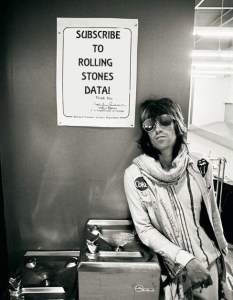 Subscribe to Stones Data here and get all posts delivered to you for free. Everybody got to go!
 Stones Data on Substack