

‘Los Trios Guitaros’, an unreleased Rolling Stones track from the Some Girls sessions, showcases experimental instrumentation, featuring innovative guitar sounds and textures, highlighting the band’s creative exploration during 1977-78.

Periodista/ traductor freelance - Freelance journalist/ translator
‘Los Trios Guitaros’, an unreleased Rolling Stones track from the Some Girls sessions, showcases experimental instrumentation, featuring innovative guitar sounds and textures, highlighting the band’s creative exploration during 1977-78.

The Rolling Stones’ song ‘It’s Only Rock’N Roll (But I Like It)’ was crafted in 1973, featuring contributions from prominent artists. Released in 1974, it reflected their response to critical pressures, though it achieved limited commercial success.

Mick Jagger emphasizes adaptability and audience connection as keys to The Rolling Stones’ enduring success in rock music, highlighting the importance of evolution while maintaining their signature sound.

In the chaotic ’70s, Keith Richards and Anita Pallenberg navigated life filled with drugs, scandals, and reckless behavior, provoking outrage from the blind community after Richards’ controversial court-mandated benefit concert.

In 1966, The Rolling Stones planned a film titled ‘Back, Behind and In Front’, but it never materialized due to creative differences.

Paul McCartney praises The Rolling Stones while noting their tendency to follow the Beatles’ innovations. He reflects on their evolution from blues covers to original songwriting influenced by the Beatles’ success.

In 1962 the Rolling Stones sought a bassist via Melody Maker, which helped connect them with Bill Wyman, shaping rock history.

‘What Am I Gonna Do with Your Love?’ is a hidden Rolling Stones track from 1985, blending rock and gospel, featuring guest artists, showcasing collaborative energy, and highlighting the band’s creative evolution.

Mick Jagger critiques marriage as a blend of legal and traditional constraints rather than a guaranteed route to happiness. His views challenge romantic ideals, promoting a pragmatic understanding of love and commitment.

On October 20, 1964, The Rolling Stones electrified Paris, leading to chaos and rebellion. Their performance marked a pivotal moment in France’s rock culture, influencing generations and changing youth spirit.

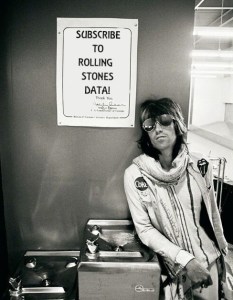 Subscribe to Stones Data here and get all posts delivered to you for free. Everybody got to go!
 Stones Data on Substack