

‘Anybody Seen My Baby?’ de los Rolling Stones, escrita por Jagger, refleja la búsqueda melancólica de un amor elusivo. Inspirada en un breve romance con Mary Badham, su temática entrelaza rock, pop y rap.

Periodista/ traductor freelance - Freelance journalist/ translator
‘Anybody Seen My Baby?’ de los Rolling Stones, escrita por Jagger, refleja la búsqueda melancólica de un amor elusivo. Inspirada en un breve romance con Mary Badham, su temática entrelaza rock, pop y rap.

‘Tops’, a soulful Rolling Stones track from 1981, features uncredited contributions from Mick Taylor and Nicky Hopkins. Its revival showcases timeless artistry, blending vulnerability with confidence in Jagger’s performance.

At their 2013 San Jose concert The Rolling Stones showcased longevity and unpredictability with surprise guests and a vibrant 22-song setlist, reminding fans that classic rock remains dynamic and alive.

May 8 marks new moments in Rolling Stones history, from early performances and guest appearances by Mick Taylor to Keith Richards’ health challenges, highlighting the band’s enduring legacy and rock drama.

Before their debut on July 12, 1962, Mick Jagger expressed concerns about the Rolling Stones’ identity, fearing misclassification as a mere rock ‘n’ roll band, while their roots lay in American blues.

‘Just Because’ is an unreleased Rolling Stones track that showcases Keith Richards’ knack for reviving old riffs, linking unfinished ideas to his later solo work, particularly in the song ‘Trouble’.

‘Yesterday’s Papers’ de los Rolling Stones combina melodías pop con su esencia rockera. Refleja cambios personales de Mick Jagger y su evolución artística, fusionando influencias de Beatles y Beach Boys.

The Rolling Stones’ song ‘If You Can’t Rock Me’ showcases Mick Jagger’s cheeky persona, blending flirtation with boldness, emphasizing fun and freedom while reflecting underlying weariness from touring.

On May 7 The Rolling Stones experienced significant moments including the release of iconic songs and films, memorable performances, and extravagant tour announcements, showcasing their evolving artistic legacy and larger-than-life persona.

Keith Richards reflects on the Rolling Stones’ debut album, highlighting how limited resources in a small studio fostered creativity and authenticity, defining their raw sound that influences music today.

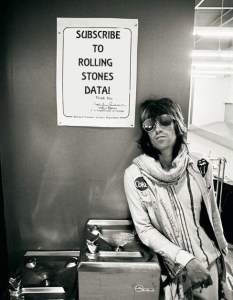 Subscribe to Stones Data here and get all posts delivered to you for free. Everybody got to go!
 Stones Data on Substack