

The Rolling Stones initially considered ‘Her Satanic Majesty Requests and Requires’ for their 1967 album but opted for Their Satanic Majesties Request after label concerns, solidifying their iconic, provocative image.
The Rolling Stones initially considered ‘Her Satanic Majesty Requests and Requires’ for their 1967 album but opted for Their Satanic Majesties Request after label concerns, solidifying their iconic, provocative image.

The Rollin’ Stones, named just before their debut in 1962, became The Rolling Stones post-performance, symbolizing their transformation from a local blues band to a legendary rock force.

Anita Pallenberg, iconic figure of the 1960s, enhanced Barbarella’s allure with her unique style and presence, shaping both the film’s aesthetics and the rock and roll culture of the era.

Brian Jones faced a pivotal trial in September 1968 for marijuana possession, reflecting his growing isolation within the Rolling Stones and signaling the unraveling of his rock star life.

Ronnie Wood’s Gimme Some Neck cover art, a self-portrait enhanced with makeup and color, reflects the album’s wild essence. The album features collaboration from iconic musicians, blending influences of the Rolling Stones and Faces.

Keith Richards attended Sidcup Art College after being expelled from Dartford Technical School. He felt constrained by society, ultimately rejecting a career in advertising after his experiences there.

The Sears Point Raceway was initially chosen for the Rolling Stones’ Altamont concert but faced contractual disputes, leading to a last-minute venue change that contributed to chaos during the event.

The Rolling Stones’ 1968 Beggars Banquet celebration at the Gore Hotel transformed into a chaotic food fight, featuring lavish dining, custard pies, and unforgettable antics, epitomizing their rebellious spirit.

The Rolling Stones recorded overdubs for the album ‘Exile on Main St.’ at Sunset Sound Studios in Los Angeles in December 1971, mixing soulful vocals with their rock sound, enhancing its emotional depth.

Ian McLagan, the influential keyboardist of Small Faces and Faces, passed away on December 3, 2014. His musical legacy shaped British rock, collaborating with iconic artists and leaving an enduring impact.

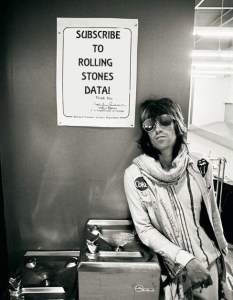 Subscribe to Stones Data here and get all posts delivered to you for free. Everybody got to go!
 Stones Data on Substack