

Nils Lofgren’s 1975 tribute ‘Keith Don’t Go’ reflects heartfelt concern for Keith Richards amid his struggles with addiction, highlighting the emotional complexities and human connections in the rock landscape of the era.
Nils Lofgren’s 1975 tribute ‘Keith Don’t Go’ reflects heartfelt concern for Keith Richards amid his struggles with addiction, highlighting the emotional complexities and human connections in the rock landscape of the era.

Peter Whitehead significantly shaped the visual identity of The Rolling Stones in the 1960s, creating innovative films that captured the band’s essence and the rebellious spirit of the era.

In 1964 The Rolling Stones faced criticism from the National Federation of Hairdressers for their rebellious hairstyles, which became symbols of youth identity and resistance, boosting their anti-establishment image.

In the early 1970s the Rolling Stones transformed Villa Nellcôte into a chaotic recording hub for Exile on Main St. amidst financial troubles, drug use, and eccentric guests, exemplifying rock excess and creativity.

In 1964 The Rolling Stones, promoted by Andrew Loog Oldham, adopted an iconic controversial headline, positioning themselves as rebellious outcasts, contrasting sharply with the polished Beatles and capturing youthful defiance.

The 1968 Immediate Records compilation features Mick Jagger and Bill Wyman alongside Eric Clapton and Jimmy Page, showcasing raw British blues talent with moments of brilliance amid loose improvisation, reflecting a pivotal era.

Keith Richards, the legendary guitarist of The Rolling Stones, epitomizes endurance with sleepless creativity. His chaotic lifestyle fueled iconic music, blending exhaustion and adrenaline into a lasting rock legacy.

Jamming With Edward!, released by The Rolling Stones in 1972, captures an impromptu jam session featuring band members and session musicians but lacks the polish and energy fans expect, feeling more like a discarded experiment.

The Rolling Stones’ late-’60s collaboration with Kenneth Anger in Lucifer Rising marked a mystical, occult-influenced phase, reflecting Mick Jagger’s inner turmoil post-Altamont, ultimately shaping their cultural legacy and creative edge.

‘Flashpoint’, released on April 2 1991, captures The Rolling Stones’ live performances from their 1989-90 world tours, featuring notable tracks and marking Bill Wyman’s final recordings with the band.

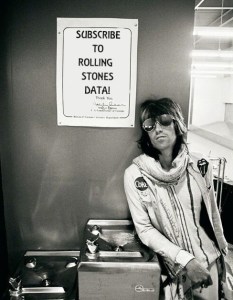 Subscribe to Stones Data here and get all posts delivered to you for free. Everybody got to go!
 Stones Data on Substack