

The Rolling Stones’ late-’60s collaboration with Kenneth Anger in Lucifer Rising marked a mystical, occult-influenced phase, reflecting Mick Jagger’s inner turmoil post-Altamont, ultimately shaping their cultural legacy and creative edge.
The Rolling Stones’ late-’60s collaboration with Kenneth Anger in Lucifer Rising marked a mystical, occult-influenced phase, reflecting Mick Jagger’s inner turmoil post-Altamont, ultimately shaping their cultural legacy and creative edge.

‘Flashpoint’, released on April 2 1991, captures The Rolling Stones’ live performances from their 1989-90 world tours, featuring notable tracks and marking Bill Wyman’s final recordings with the band.

In 1964, Mick Jagger was fined for driving offenses, following a 1962 incident where he faced similar charges. Although these legal troubles attracted media attention, they did not hinder his rise to stardom, enhancing his rebellious image within rock culture.

In 1962, Mick Jagger, Brian Jones, and Keith Richards united by their love for blues during a chance meeting, igniting a musical chemistry that led to the formation of The Rolling Stones.

James Brown profoundly influenced The Rolling Stones, particularly Mick Jagger, shaping their performance style and musical direction. His innovative rhythms and dynamic stage presence helped define the band’s evolution and legendary performances.

Keith Richards reflects on the transformative power of Muddy Waters’ music in his foreword to the Can’t Be Satisfied’ book. He emphasizes the blues’ universal connection to human emotions, celebrating Muddy’s influence on modern music and his ability to express hardship joyfully.

In 1981 the Rolling Stones delivered a surprise performance at Sir Morgan’s Cove, thrilling 350 fans with nearly two hours of music, marking a legendary moment in their career before the Tattoo You tour.

Marianne Faithfull and Mick Jagger reunite in a symphonic project featuring orchestral renditions of Rolling Stones classics. While some tracks shine, others lack the original’s raw essence, creating mixed results.

In 1967, The Rolling Stones, inspired by The Beatles, explored psychedelia through Their Satanic Majesties Request. Photographer Michael Cooper brought their vision to life with immersive, experimental imagery, capturing the era’s essence.

The Rolling Stones’ first album cover story is all about their audacious start in 1964, skipping a title or band name, thanks to their savvy teenage manager, Andrew Oldham, who believed in their unique image.

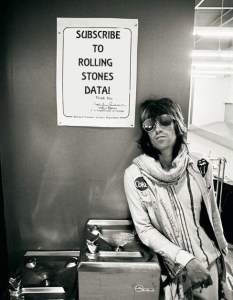 Subscribe to Stones Data here and get all posts delivered to you for free. Everybody got to go!
 Stones Data on Substack