

The Rolling Stones Keith Richards flipped heavy metal on its head in 2010—suddenly John Lee Hooker is the real source. What did he actually mean by that?
The Rolling Stones Keith Richards flipped heavy metal on its head in 2010—suddenly John Lee Hooker is the real source. What did he actually mean by that?

The Rolling Stones didn’t just admire Bob Dylan—they studied him, borrowed from him, and somehow turned it into a quiet creative rivalry that still feels unfinished today.

The Rolling Stones drummer hit a breaking point in 1986—one slip, one decision, and a sudden reset into jazz, silence, and questions fans still debate even today.

The Rolling Stones weren’t building a plan—they were chasing blues records like contraband, and somehow that obsession turned into Satisfaction before anyone noticed.

Keith Richards admits The Rolling Stones didn’t see it coming—The Beatles changed everything overnight, and suddenly the blues dream turned into something much bigger than anyone planned.

Keith Richards didn’t hold back on The Rolling Stones comparison with the New York Dolls—especially when everyone else kept insisting they were copying Mick Jagger in 1974.

Keith Richards went to Jamaica for a break… and ended up recording sacred Nyabinghi sessions with strangers who didn’t even plan to make an album. The Rolling Stones wouldn’t believe it.

Keith Richards in 1989 talking survival—no myth, no filter. After decades of chaos with The Rolling Stones, he’s still standing… but how exactly did he pull it off?

Late 1960s tour manager Sam Cutler introduced The Rolling Stones as the “greatest rock and roll band in the world”, but what did Charlie Watts say?

In 1997, Keith Richards and Charlie Watts reflect on replacing Bill Wyman with Darryl Jones in The Rolling Stones, blending nostalgia for Bill’s style with appreciation for Darryl’s talent and camaraderie.

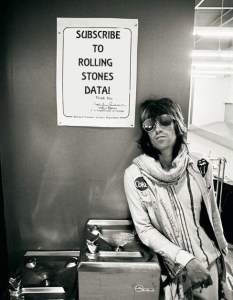 Subscribe to Stones Data here and get all posts delivered to you for free. Everybody got to go!
 Stones Data on Substack