

Bill Wyman revealed he barely socialized with The Rolling Stones for about a decade. Drugs were part of the problem, but the real story was far more personal.
Bill Wyman revealed he barely socialized with The Rolling Stones for about a decade. Drugs were part of the problem, but the real story was far more personal.

Charlie Watts was the Rolling Stones drummer, but jazz was never just a side interest. Discover what he revealed about the music that shaped his ear.

In 1977, Mick Jagger admitted he could become “a total monster” on the road—then immediately pointed the finger at Keith Richards. Of course he did.

Why do Mick Jagger and Keith Richards treat their 1967 psychedelic experiment with such blunt sarcasm? Uncover what the songwriting duo really thought about their most chaotic album.

Mick Jagger explains the messy reality behind The Rolling Stones’ Exile on Main St. sessions—and why getting Keith Richards to actually finish a song could be a battle.

Keith Richards has a theory about why critics turn on new Rolling Stones albums—and his 1973 defense of Goats Head Soup is brutally direct.

Brian Jones called Their Satanic Majesties Request “very personal.” Here’s what he said about The Rolling Stones’ strangest 1967 album.

Mick Jagger had spent decades conquering stages, but in 2016 he offered a different challenge: knowing your roots is no reason to stop exploring.

Mick Jagger didn’t just play country; he wore it like an ironic costume. Explore the satirical side of The Rolling Stones and why their twangiest hits were always a wink.

Keith Richards never had a rock and roll instruction manual. His explanation of how The Rolling Stones’ life was invented along the way is as revealing as it is typically Richards.

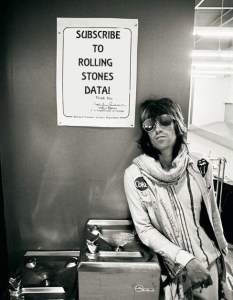 Subscribe to Stones Data here and get all posts delivered to you for free. Everybody got to go!
 Stones Data on Substack