

Before founding The Rolling Stones, Brian Jones discovered the passion that would change his life—and his own words reveal exactly how it began.
Before founding The Rolling Stones, Brian Jones discovered the passion that would change his life—and his own words reveal exactly how it began.

Charlie Watts rarely wasted words. His 1997 thoughts on Mick Jagger and Keith Richards reveal more about The Rolling Stones than decades of headlines ever could.

Mick Jagger on Satanic Majesties: no grand masterplan, just a band messing with sounds for fun. Turns out even their “experimental phase” wasn’t trying to impress anyone.

Charlie Watts never cared about being called the best drummer in The Rolling Stones. Discover why he believed the true magic was found in everything but his own ego.

One sentence says it all. Mick Jagger’s “I Was Always a Singer” reveals the confidence that shaped The Rolling Stones long before worldwide fame arrived.

The Rolling Stones trace Brian Jones roots back to quiet lessons that slowly unraveled into obsession, where early curiosity started pushing against every rule music tried to enforce.

Mick Jagger didn’t hold back in 1975. His surprisingly direct comments about journalists reveal a side of fame that rarely made the headlines.

Keith Richards made an unexpected confession in 1988 that challenged the idea of always being a Rolling Stone. His explanation may surprise even longtime fans.

Mick Jagger explains why touring the US and Europe feels different, revealing a fascinating side of The Rolling Stones’ life on the road.

Mick Jagger reveals how The Rolling Stones built Undercover from rough Paris demos, studio experiments, and unexpected creative twists before the 1983 album took shape.

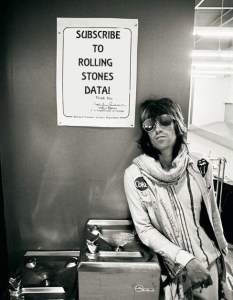 Subscribe to Stones Data here and get all posts delivered to you for free. Everybody got to go!
 Stones Data on Substack