

On December 25 the Rolling Stones have no significant events recorded. Notably, R&B legend James Brown died in 2006, influencing Mick Jagger’s performance style and later inspiring a biopic.
On December 25 the Rolling Stones have no significant events recorded. Notably, R&B legend James Brown died in 2006, influencing Mick Jagger’s performance style and later inspiring a biopic.

‘Highway Child’, an unreleased Rolling Stones track from 1968, showcases a raw, fast-paced sound, reflecting the band’s experimental phase away from excess to a simpler, more instinctive style.

The Rolling Stones’ version of ‘Just Your Fool’, recorded in 2016, reflects their deep connection to blues, honoring its roots while embracing simplicity and emotional depth in performance.

On December 24 the Rolling Stones have a historically quiet day, marked by few events, including a 1963 performance in Leek, England. Merry Christmas to all!

Charlie Watts viewed drumming as a lifelong challenge and passion rather than something to conquer. His humility, steady pulse, and curiosity defined his approach, emphasizing music’s soul over theatrics.

In 1967, Mick Jagger modified the Rolling Stones’ lyrics on The Ed Sullivan Show from “Let’s Spend the Night Together” to “Let’s Spend Some Time Together” due to censorship, highlighting rock’s rebellious spirit versus mainstream conservatism.

‘The Golden Mile’, an unreleased Rolling Stones track from 1982, showcases their experimental creativity during the Undercover sessions, blending punk energy with classic Stones swagger, leaving fans intrigued.

Ditching their signature swagger for a gritty, off-kilter persona, The Rolling Stones turned ‘Factory Girl’ into a bizarre folk masquerade. See why this strange experiment still feels so unsettling.

On December 23 key events in Rolling Stones history include the 1966 release of Glyn Johns’ single featuring Brian Jones and the 1974 farewell concert of The Faces in London.

The story behind ‘Ruby Tuesday’ highlights Brian Jones’ creative contributions, Keith Richards’ emotional inspiration from Linda Keith, and the song’s successful release as part of the Rolling Stones’ “Between the Buttons” album.

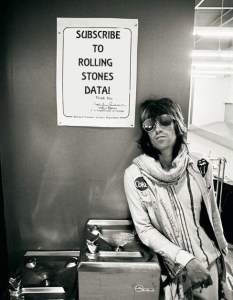 Subscribe to Stones Data here and get all posts delivered to you for free. Everybody got to go!
 Stones Data on Substack