

In 1981 Keith Richards gave a raw, funny take on Mick Jagger, showing that true friendship means weathering fights, enduring the complaints, and sticking together through all the chaos.
In 1981 Keith Richards gave a raw, funny take on Mick Jagger, showing that true friendship means weathering fights, enduring the complaints, and sticking together through all the chaos.

The Rolling Stones’ ‘Tattoo You’ album, released in 1981, features previously recorded tracks and distinctive cover art portraying Mick Jagger in tribal tattoos, sparking debates over its title and band dynamics.

In a June 1982 interview in Paris Keith Richards candidly discussed The Rolling Stones’ challenging yet exhilarating European tour experiences, revealing the authentic chaos, camaraderie, and perseverance behind their legendary rock success.

The Rolling Stones’ recording of the Some Girls album in Paris at Pathé Marconi Studios blended old charm and intimate vibes, resulting in raw, energetic tracks, showcasing a creative contrast between technology and tradition.

A deceptively playful Rolling Stones song captures the tension of a difficult relationship, with lyrics that reveal more the closer you look.

The Rolling Stones have returned to their untamed roots, rehearsing in Surrey with Mick Jagger sarcastically addressing their future live performances while new producer Jimmy Miller joins the chaotic process.

‘Hearts for Sale’ showcases The Rolling Stones’ vibrant creativity in 1989, blending classic rock with experimental elements, while Mick Jagger’s lyrics explore emotional complexity and the challenges of love.

‘Driving Too Fast’ by The Rolling Stones captures a chaotic ride through a storm, highlighting life’s recklessness. Mick Jagger’s frantic vocals accompany erratic rhythms, showcasing the song’s raw energy and missed live performance potential.

’20 Nil’ is an unreleased Rolling Stones track from the 1997 Bridges to Babylon sessions, showcasing their creative overflow. Despite its intriguing essence, it remains unfinished and unheard by fans.

The Rolling Stones slipped a surprisingly uneasy confession onto Aftermath. ‘It’s Not Easy’ sounds simple—until you notice how much doubt is hiding between the lines.

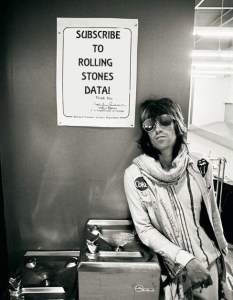 Subscribe to Stones Data here and get all posts delivered to you for free. Everybody got to go!
 Stones Data on Substack