

Keith Richards emphasizes that knowing the blues is essential for guitarists, as it underpins rock music’s essence, authenticity, and emotional depth, forming the foundation for impactful music creation.
Keith Richards emphasizes that knowing the blues is essential for guitarists, as it underpins rock music’s essence, authenticity, and emotional depth, forming the foundation for impactful music creation.

The Rolling Stones’ unreleased track ‘Slow Blues’ recorded during the Some Girls sessions, showcases their raw blues roots, offering a laid-back vibe and effortless swagger, capturing an intimate moment in the studio.

On September 15 various significant events in Rolling Stones history occurred, including performances, album releases, and notable concerts from 1962 to 2005 across different locations worldwide.

In 1974, despite breakup rumors and internal strife, the Rolling Stones continued to thrive, showcasing their enduring appeal and rock ‘n’ roll dominance, all while maneuvering through chaos and excess.

This Rolling Stones’ unreleased alternate version of ‘Family’, recorded in 1968, offers a raw look at their creative evolution, showcasing their experimental sound and songwriting transformation during this era.

‘The Last Time’ marked a pivotal moment for The Rolling Stones, showcasing their songwriting prowess while drawing both inspiration and criticism from gospel roots, ultimately shaping their musical identity and legacy.

On September 14 throughout Rolling Stones history, the band performed notable concerts across various venues in England, West Germany, and the USA, showcasing their electrifying rock energy.

Mick Jagger and Keith Richards reflect on their chaotic yet meaningful experience at Live Aid 1985, emphasizing the event’s purpose of raising awareness for world hunger despite technical difficulties and lack of pay.

In September 1965 The Rolling Stones electrified Hamburg with two shows, marking their shift from blues to rock. The performances symbolized cultural upheaval and fan hysteria, preserved in a soundboard recording.

On September 13 various significant events in Rolling Stones history occurred, including multiple concerts, album releases, and notable meetings, highlighting the band’s enduring impact over the years.

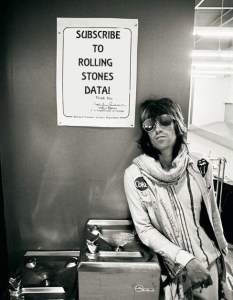 Subscribe to Stones Data here and get all posts delivered to you for free. Everybody got to go!
 Stones Data on Substack