

‘I’m Free’ by The Rolling Stones, written by Jagger/Richards, reflects personal liberation amidst chaos, blending folk-rock and blues influences. Released in 1965, it marks a pivotal shift toward original songwriting.
‘I’m Free’ by The Rolling Stones, written by Jagger/Richards, reflects personal liberation amidst chaos, blending folk-rock and blues influences. Released in 1965, it marks a pivotal shift toward original songwriting.

On April 5, 1967 The Rolling Stones performed two energetic shows in Bologna, captivating thousands of young fans amidst chaos, police intervention, and the fervor of youth culture.

April 5 is significant in Rolling Stones history, showcasing key performances from their early UK shows in 1964 to global stadium tours by the 1990s, marking pivotal moments in their evolution.

Charlie Watts, influenced by jazz rather than rock, passionately embraced the genre from a young age. His heroes included Duke Ellington and Charlie Parker, shaping his drumming career and musical path.

The Rolling Stones’ late-’60s collaboration with Kenneth Anger in Lucifer Rising marked a mystical, occult-influenced phase, reflecting Mick Jagger’s inner turmoil post-Altamont, ultimately shaping their cultural legacy and creative edge.

‘Waiting On a Friend’, a classic by The Rolling Stones, originated during 1972 sessions in Jamaica. It evolved slowly, retaining its essence, before its 1981 release on the Tattoo You album.

Why did The Rolling Stones step away from Jagger-Richards? Prodigal Son reveals a surprising tribute that changed the mood of Beggars Banquet.

On April 4 in Rolling Stones history, key events include studio sessions, notable performances, album releases, a Hall of Fame induction, and Mick Jagger’s heart surgery announcement.

In 1975 The Rolling Stones welcomed Ronnie Wood, whose style and personality matched the band’s vibe, marking a significant transition after Mick Taylor’s departure and setting the stage for a lasting legacy.

Avery Parrish’s ‘After Hours’ is a timeless jazz standard from the 1940s, known for its intimate, calming atmosphere that invites reflection through smooth piano lines and unhurried melodies.

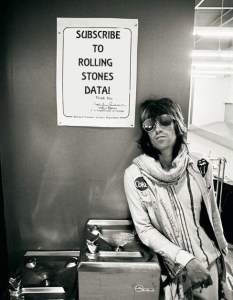 Subscribe to Stones Data here and get all posts delivered to you for free. Everybody got to go!
 Stones Data on Substack