

In 1967, The Rolling Stones, inspired by The Beatles, explored psychedelia through Their Satanic Majesties Request. Photographer Michael Cooper brought their vision to life with immersive, experimental imagery, capturing the era’s essence.
In 1967, The Rolling Stones, inspired by The Beatles, explored psychedelia through Their Satanic Majesties Request. Photographer Michael Cooper brought their vision to life with immersive, experimental imagery, capturing the era’s essence.

‘Gomper’ by The Rolling Stones is a dreamy, psychedelic track blending romance and mysticism, featuring immersive soundscapes and layered instrumentation, creating an intimate experience transcending conventional rock boundaries.

‘Gold Painted Fingernails’, an unreleased Rolling Stones track from 1967, showcases the band’s experimental edge, featuring swirling organ sounds and numerous takes, yet remains a bootleg rarity due to no final version being deemed perfect.

The unreleased Rolling Stones track ‘She’s Doing Her Thing’ recorded in 1967 during Their Satanic Majesties Request sessions, offers a glimpse into the band’s experimental phase, highlighting its unique sound and charm.

The Redlands bust transformed the Rolling Stones from musicians into cultural icons amidst public outrage over their drug charges, leading to the release of “We Love You” as a thank-you to fans.

In 1967 The Rolling Stones explored new artistic possibilities at Olympic Studios, pushing beyond traditional rock boundaries. Their album Their Satanic Majesties Request reflected both experimentation and identity crisis amidst a shifting musical landscape.

The Rolling Stones’ 1967 appearance on The Eamonn Andrews Show featured a performance and a passionate defense by Mick Jagger against tabloid accusations, highlighting the band’s growing influence and defiance against the press.

Why did The Rolling Stones trade flower-power for the jagged, bitter sting of ‘All Sold Out’? Peel back the layers of their most intense, overlooked 1967 heartbreak anthem.

‘On With the Show’ by The Rolling Stones is a theatrical album closer that humorously critiques psychedelia, framing the experience as performance rather than transcendence, ultimately revealing the artificiality of the preceding trip.

The Rolling Stones’ unreleased ‘5 Part Jam’, recorded in 1967, showcases their experimental side with seven takes featuring improvisation and Nicky Hopkins on piano, capturing their psychedelic vibe.

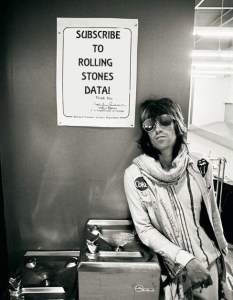 Subscribe to Stones Data here and get all posts delivered to you for free. Everybody got to go!
 Stones Data on Substack