

The Rolling Stones’ ‘Complicated’ reflects emotional turmoil and creative risks, showcasing the band’s chaotic late-’60s essence and musical experimentation.
The Rolling Stones’ ‘Complicated’ reflects emotional turmoil and creative risks, showcasing the band’s chaotic late-’60s essence and musical experimentation.

‘Ruby Tuesday’ de los Rolling Stones, compuesta principalmente por Keith Richards, fusiona folk y blues, reflejando un profundo desamor por la ruptura de su relación con Linda Keith, convirtiéndose en un emblemático clásico.

In May 1967, rare footage captures Anita Pallenberg and Keith Richards at Cannes, effortlessly embodying 1960s rock royalty, showcasing charismatic energy, style, and their iconic chemistry beyond the film premiere.

‘Let’s Spend the Night Together’ by The Rolling Stones faced censorship upon release in 1967 due to its provocative lyrics, prompting lyric changes on TV and later bans in various countries.

An unreleased instrumental demo of The Rolling Stones’ ‘2,000 Light Years from Home’, recorded in 1967, showcases the band’s explorative sonic journey into psychedelia without lyrics, revealing their creative experimentation.

In 1967, rare silent footage captures Brian Jones driving through New York City, embodying rock ‘n’ roll swagger, and symbolizing the psychedelic era’s blend of public spectacle and personal mystery.

On August 25, 1967, amidst holiday crowds at Euston Station, the Beatles and Mick Jagger unexpectedly boarded a train to North Wales, after a transcendental meditation lecture by Maharishi Mahesh Yogi.

In a 1967 interview, Brian Jones of the Rolling Stones reflects on his wealth and recent ventures, highlighting their rising concert fees and the band’s rebellious image as key to their success. Despite negative press, band members embrace criticism, asserting their right to express themselves and continue thriving in the music industry.

In 1966, The Rolling Stones transitioned from their rebellious blues roots to showcase original songwriting in albums like Aftermath. By 1967, they embraced psychedelic influences, enhancing their sound and lyrics. This evolution reflected cultural changes and laid the foundation for their legacy, balancing commercial success with artistic growth in rock music.

The Rolling Stones’ album ‘Their Satanic Majesties Request,’ released in December 1967, reflects the band’s experimentation with psychedelia during a tumultuous time marked by legal issues and Brian Jones’ declining role. Though initially criticized for perceived imitation of The Beatles, it has since gained appreciation for its unique sound and creativity.

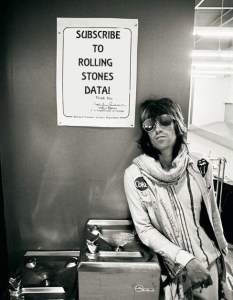 Subscribe to Stones Data here and get all posts delivered to you for free. Everybody got to go!
 Stones Data on Substack