

On January 22, 1967, the Rolling Stones challenged traditional entertainment by refusing to participate in sketches during their appearance on Sunday Night at the London Palladium, igniting controversy and reinforcing their defiant image.
On January 22, 1967, the Rolling Stones challenged traditional entertainment by refusing to participate in sketches during their appearance on Sunday Night at the London Palladium, igniting controversy and reinforcing their defiant image.

‘The Lantern’ by The Rolling Stones stands out on Their Satanic Majesties Request for its introspective atmosphere and restrained musicianship, combining gothic imagery and emotional depth with a plea for hope amidst darkness.

The Rolling Stones turned 1967 into sonic chaos—kazoos, sitars, and piano crashes everywhere. ‘Cool, Calm and Collected’ sounds like a studio on the edge of collapse.

‘Who’s Been Sleeping Here?’ by The Rolling Stones explores themes of suspicion and jealousy through storytelling, blending humor and unease as the narrator’s imagination fills in unsettling gaps during absence.

A courtroom, a psychedelic experiment, and a pointed message—discover why ‘We Love You’ became one of the Rolling Stones’ most unexpected statements.

‘In Another Land’ by the Rolling Stones, written and sung by Bill Wyman, reflects vulnerability and whimsy, showcasing a rare moment of creative openness amid the band’s psychedelic exploration in 1967.

In 1967, Mick Jagger modified the Rolling Stones’ lyrics on The Ed Sullivan Show from “Let’s Spend the Night Together” to “Let’s Spend Some Time Together” due to censorship, highlighting rock’s rebellious spirit versus mainstream conservatism.

The story behind ‘Ruby Tuesday’ highlights Brian Jones’ creative contributions, Keith Richards’ emotional inspiration from Linda Keith, and the song’s successful release as part of the Rolling Stones’ “Between the Buttons” album.

‘Something Happened to Me Yesterday’ showcases the Rolling Stones’ playful side, blending vaudeville, brass, and humor while offering a quirky reflection on counterculture and the pressures of creativity in the mid-60s.

Anita Pallenberg, iconic figure of the 1960s, enhanced Barbarella’s allure with her unique style and presence, shaping both the film’s aesthetics and the rock and roll culture of the era.

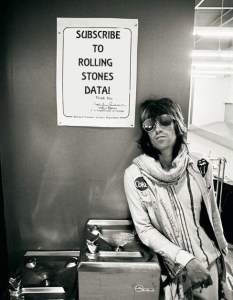 Subscribe to Stones Data here and get all posts delivered to you for free. Everybody got to go!
 Stones Data on Substack