

‘Fingerprint File’ by The Rolling Stones captures paranoia amidst political turmoil, blending funk with themes of surveillance. Jagger narrates a protagonist haunted by the FBI, making the track a powerful warning.
‘Fingerprint File’ by The Rolling Stones captures paranoia amidst political turmoil, blending funk with themes of surveillance. Jagger narrates a protagonist haunted by the FBI, making the track a powerful warning.

The Rolling Stones’ song ‘Luxury’ critiques corporate greed and labor exploitation, combining calypso influences with biting lyrics. Produced by notable engineers, it reflects the band’s sonic evolution in the mid-1970s.

On May 8, 1974, Bill Wyman’s interview on The Old Grey Whistle Test showcased his candid reflections on life with the Rolling Stones, contrasting the band’s typical flamboyance with his mellow authenticity.

Hit Parader’s 1974 coverage of The Rolling Stones’ 1973 European tour highlights the band’s electrifying performances, showcasing Mick Jagger’s charisma and Keith Richards’ guitar prowess. The tour marked a significant moment in rock history, demonstrating resilience and reinvention while connecting deeply with fans, leaving a lasting impact on the music scene.

In 1974, Bill Wyman started creating The Black Box, a Rolling Stones compilation of unreleased tracks using their Mobile Recording Unit. The project was abandoned, leading to the release of Metamorphosis instead. The Black Box featured a selection of early recordings, showcasing the band’s varied musical influences and styles.

In 1974, Bill Wyman of The Rolling Stones released his solo album ‘Monkey Grip’, showcasing a distinct sound different from the band. Blending rock, R&B, and reggae, Wyman’s work featured humor and highlighted his talent beyond bass. While it didn’t achieve monumental success, it marked a significant milestone for his creativity and future solo efforts from other band members.

In April 1974, the Rolling Stones recorded an alternate take of ‘If You Can’t Rock Me’ at Stargroves. This unreleased version, featuring guest musicians Billy Preston and Ray Cooper, showcases a raw and dynamic sound that reveals the band’s creative process. It highlights their evolution and playful energy, providing a fresh perspective on a classic track.

In July 1974, Ronnie Wood hosted two legendary solo shows at Kilburn, featuring Keith Richards. These performances showcased their dynamic chemistry and hinted at Wood’s future as a Rolling Stone, marking a pivotal moment in rock history.

The alternate take of ‘Fool to Cry’, recorded in December 1974, showcases a raw and vulnerable version of the song. This intimate rendition highlights the Rolling Stones’ introspection during a transitional period, featuring Nicky Hopkins’ poignant piano contributions and Mick Jagger’s unrefined vocals.

In a 1974 interview with NME, Mick Jagger discussed the complexities of fame, the band’s creative challenges, and media portrayals. Despite expressing fatigue, he remained focused on evolving the Stones’ sound, capturing his introspective yet ambitious outlook as a frontman.

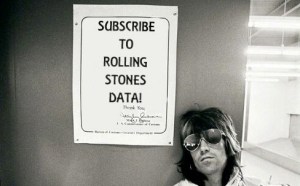
Subscribe to the Stones Data newsletter and get all daily posts delivered to you for free. Everybody got to go!
*Support the site and help me keep sharing great content. Thanks in advance!