

Charlie Watts emphasized jazz’s significant yet often overlooked influence on the Rolling Stones, highlighting its role in their music evolution and urging recognition of its complex contributions beyond rock.
Charlie Watts emphasized jazz’s significant yet often overlooked influence on the Rolling Stones, highlighting its role in their music evolution and urging recognition of its complex contributions beyond rock.

Producer Jimmy Miller describes the chaotic recording of Exile On Main St. in a humid French basement, highlighting Mick Jagger’s absences and last-minute songwriting, resulting in a raw, iconic album.

Mick Jagger diminishes his own importance, highlighting the contrast between celebrity and reality, suggesting his iconic status is largely a media construct rather than his personal achievement or ego.

Keith Richards emphasizes that the Rolling Stones focus on creating new music rather than dwelling on nostalgia. Their journey is about continuous creativity and passion, avoiding reliance on past hits.

Mick Jagger described the collaborative and exploratory songwriting process for the Rolling Stones’ Undercover album in Paris, where early demos solidified the core tracks before the full band joined the sessions.

Mick Jagger appreciates country music’s distinct sound compared to blues, embracing its playful irony. The Rolling Stones have infused their rock roots with country influences across various songs, showcasing versatility.

Keith Richards humorously critiques Mick Jagger’s solo album, She’s the Boss, revealing he hasn’t listened fully, equating it to an unread cultural artifact, highlighting rock stardom’s absurdity and hype versus reality.

Bill Wyman stresses that young people miss music history due to trends overshadowing it. Few revive it, and it’s not profitable, risking a generation’s connection to music’s rich roots.

Keith Richards reflects that when he started playing guitar, it was for the love of music, not for fame or profit. He values raw passion over the commercial side of the music industry.

Charlie Watts emphasized the challenges of touring, noting the pressure on reputation and the uncertainty of band chemistry. Despite missing the road, rehearsals were often frustrating, revealing a complex relationship with performance.

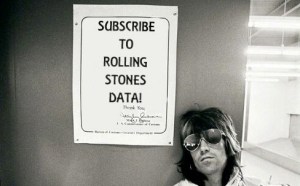
Subscribe to the Stones Data newsletter and get all daily posts delivered to you for free. Everybody got to go!
*Support this site and help us keep sharing great content. Thanks in advance!