

Recorded years before Tattoo You ‘Slave’ became one of the Stones’ deepest grooves—and one fans never got to hear live.
Recorded years before Tattoo You ‘Slave’ became one of the Stones’ deepest grooves—and one fans never got to hear live.

The Rolling Stones briefly abandoned their usual swagger for ‘She’s a Rainbow’—a psychedelic detour packed with unusual sounds, unlikely collaborators and studio magic.

On October 26 Rolling Stones performed at various iconic venues from 1963 to 2010, highlighted by setlists featuring classic songs and the publication of Keith Richards’ autobiography.

Jimmy Miller witnessed Exile on Main St. from inside the studio. His recollections challenge the myths surrounding one of The Rolling Stones’ most talked-about albums.

Before stadiums, scandals, and rock royalty, Mick Jagger was an LSE student in London. Discover the surprising chapter that came before The Rolling Stones conquered the world.

An alternate ‘Sway’ from 1970 offers a different glimpse into the Rolling Stones’ creative process—and raises the question: what else is hiding in the vaults?

Detrás de ‘Mother’s Little Helper’ se esconde una extraña mezcla de Valium, frustración suburbana, un misterioso sonido de guitarra y una de las observaciones más mordaces de The Rolling Stones sobre la vida cotidiana.

From the Stones’ American TV debut to Keith Richards jamming with Rockpile, October 25 serves up unexpected collaborations, Motown swagger, and decades of rock ’n’ roll surprises.

Forget the swagger. In this overlooked Aftermath cut, The Rolling Stones captured the specific, hollow ache of 1966 urban burnout. It’s an accidental anthem for the beautifully, hopelessly bored.

A 1964 fan fact sheet reveals the young Bill Wyman’s favourite food, musical ambitions, and the details fans rarely get to see.

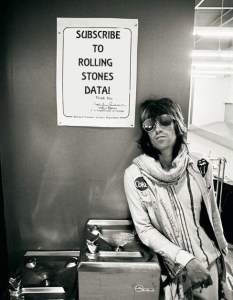 Subscribe to Stones Data here and get all posts delivered to you for free. Everybody got to go!
 Stones Data on Substack