

On February 2 significant events in Rolling Stones history include various performances, a benefit concert featuring Ronnie, and their controversial Super Bowl halftime show in 2006.
On February 2 significant events in Rolling Stones history include various performances, a benefit concert featuring Ronnie, and their controversial Super Bowl halftime show in 2006.

Keith Richards’ five-string guitars embody his rock essence, blending blues-inspired riffs with a minimalist approach. His unique style and technique have significantly shaped the Rolling Stones’ sound since the 1960s.

The Rolling Stones’ 1967 appearance on The Eamonn Andrews Show featured a performance and a passionate defense by Mick Jagger against tabloid accusations, highlighting the band’s growing influence and defiance against the press.

During their July 5, 1969 Hyde Park concert, The Rolling Stones honored their blues roots by covering Johnny Winter’s ‘I’m Yours and I’m Hers’, showcasing their respect for musical influences.

Why did The Rolling Stones trade flower-power for the jagged, bitter sting of ‘All Sold Out’? Peel back the layers of their most intense, overlooked 1967 heartbreak anthem.

On February 1 throughout Rolling Stones history, key events include Brian’s first guitar gift, Charlie’s return to England, the band’s rising fame under Giorgio Gomelsky, and significant concerts and releases.

Ronnie Wood’s upbringing as a “water gypsy” influenced his creative flair, music, and artistic talent. Born on land, he still embodies the resourcefulness and individuality of his heritage.

In 1967, The Rolling Stones planned to launch Mother Earth as a label, signing Marianne Faithfull, but it didn’t materialize until they founded Rolling Stones Records in 1970, departing from Decca.

‘Tell Her How It Is’ is an unreleased Rolling Stones track from 1970, showcasing experimentation and creative tension, blending unique musicianship with Mick Taylor’s wah-wah guitar and Charlie Watts’ driving rhythm.

Instead of a victory lap, The Rolling Stones chose a Paris studio. Why did ‘One More Shot’ become the defiant anthem that proved their creative engine was still roaring?

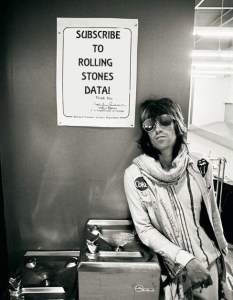 Subscribe to Stones Data here and get all posts delivered to you for free. Everybody got to go!
 Stones Data on Substack