

In May 1975, Mick Jagger sustained cuts to his forearm after an accident in a Montauk restaurant. Despite needing 20 stitches, the Rolling Stones continued their Tour of the Americas. Warhol and Leibovitz captured their rehearsals’ unique, vibe.
In May 1975, Mick Jagger sustained cuts to his forearm after an accident in a Montauk restaurant. Despite needing 20 stitches, the Rolling Stones continued their Tour of the Americas. Warhol and Leibovitz captured their rehearsals’ unique, vibe.

The Rolling Stones announced their 1975 Tour of the Americas performing ‘Brown Sugar’ live on a flatbed truck in NYC, surprising fans and solidifying their legendary rock reputation, especially with new member Ron Wood.

Before Some Girls became Some Girls, The Rolling Stones reportedly considered a much cheekier title—and it sounds exactly like something they might have gotten away with.

The iconic cover of the Rolling Stones’ live album Get Yer Ya-Ya’s Out!, photographed by David Bailey, embodies rock’s chaotic spirit, symbolizing rebellion and artistic authenticity during a transformative era for the band.

In 1967, The Rolling Stones, inspired by The Beatles, explored psychedelia through Their Satanic Majesties Request. Photographer Michael Cooper brought their vision to life with immersive, experimental imagery, capturing the era’s essence.

The Rolling Stones’ first album cover story is all about their audacious start in 1964, skipping a title or band name, thanks to their savvy teenage manager, Andrew Oldham, who believed in their unique image.

The release of The Rolling Stones’ Sticky Fingers in Franco’s Spain faced censorship, altering the cover and omitting a track, yet the album remains significant for its music and cultural value.

Byron Berline was a renowned American fiddler from Oklahoma who significantly influenced country and bluegrass music, collaborating with many legends, including the Rolling Stones, showcasing his remarkable virtuosity and style.

The Rolling Stones made their TV debut on July 7, 1963, performing ‘Come On’ on Thank Your Lucky Stars, marking a significant step in their rise to fame despite their rebellious image.

Stevie Ray Vaughan, a legendary guitarist, caught Mick Jagger’s attention during a Dallas performance but was ultimately turned down for a record deal. Vaughan later emerged as a monumental figure in blues music history.

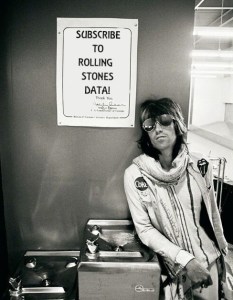 Subscribe to Stones Data here and get all posts delivered to you for free. Everybody got to go!
 Stones Data on Substack