

James Brown profoundly influenced The Rolling Stones, particularly Mick Jagger, shaping their performance style and musical direction. His innovative rhythms and dynamic stage presence helped define the band’s evolution and legendary performances.
James Brown profoundly influenced The Rolling Stones, particularly Mick Jagger, shaping their performance style and musical direction. His innovative rhythms and dynamic stage presence helped define the band’s evolution and legendary performances.

Keith Richards reflects on the transformative power of Muddy Waters’ music in his foreword to the Can’t Be Satisfied’ book. He emphasizes the blues’ universal connection to human emotions, celebrating Muddy’s influence on modern music and his ability to express hardship joyfully.

In 1981 the Rolling Stones delivered a surprise performance at Sir Morgan’s Cove, thrilling 350 fans with nearly two hours of music, marking a legendary moment in their career before the Tattoo You tour.

Marianne Faithfull and Mick Jagger reunite in a symphonic project featuring orchestral renditions of Rolling Stones classics. While some tracks shine, others lack the original’s raw essence, creating mixed results.

In 1967, The Rolling Stones, inspired by The Beatles, explored psychedelia through Their Satanic Majesties Request. Photographer Michael Cooper brought their vision to life with immersive, experimental imagery, capturing the era’s essence.

The Rolling Stones’ first album cover story is all about their audacious start in 1964, skipping a title or band name, thanks to their savvy teenage manager, Andrew Oldham, who believed in their unique image.

The release of The Rolling Stones’ Sticky Fingers in Franco’s Spain faced censorship, altering the cover and omitting a track, yet the album remains significant for its music and cultural value.

Byron Berline was a renowned American fiddler from Oklahoma who significantly influenced country and bluegrass music, collaborating with many legends, including the Rolling Stones, showcasing his remarkable virtuosity and style.

The Rolling Stones made their TV debut on July 7, 1963, performing ‘Come On’ on Thank Your Lucky Stars, marking a significant step in their rise to fame despite their rebellious image.

Stevie Ray Vaughan, a legendary guitarist, caught Mick Jagger’s attention during a Dallas performance but was ultimately turned down for a record deal. Vaughan later emerged as a monumental figure in blues music history.

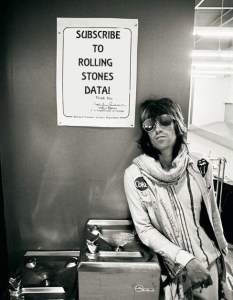 Subscribe to Stones Data here and get all posts delivered to you for free. Everybody got to go!
 Stones Data on Substack