

The iconic cover of the Rolling Stones’ live album Get Yer Ya-Ya’s Out!, photographed by David Bailey, embodies rock’s chaotic spirit, symbolizing rebellion and artistic authenticity during a transformative era for the band.
The iconic cover of the Rolling Stones’ live album Get Yer Ya-Ya’s Out!, photographed by David Bailey, embodies rock’s chaotic spirit, symbolizing rebellion and artistic authenticity during a transformative era for the band.

Pat Andrews, mother of Brian Jones’ second child Julian, represents a neglected aspect of rock history, highlighting the personal struggles and consequences behind the fame of The Rolling Stones.

In the mid-’70s Munich turned into a wild creative playground for The Rolling Stones, with Mick Jagger steering sessions at Musicland Studios—equal parts rock ’n’ roll glamour and human chaos.

The Rolling Stones announced their 1975 Tour of the Americas performing ‘Brown Sugar’ live on a flatbed truck in NYC, surprising fans and solidifying their legendary rock reputation, especially with new member Ron Wood.

David Bowie’s Ziggy Stardust farewell party in July 1973 was an iconic cultural event, featuring rock legends like Mick Jagger and Lou Reed, blending spectacle and creativity, marking a significant reinvention in Bowie’s career.

The Rolling Stones filmed the ‘Waiting On A Friend’ video on July 2, 1981 at the historic St. Mark’s Bar & Grill in Greenwich Village, capturing an iconic moment in rock history.

Mick Jagger’s surprise appearance on Wayne’s World in February 1993 created a memorable clash of rock royalty and comedic chaos, showcasing his effortless charisma and the humor of self-mockery.

The Rolling Stones’ 1981 album Tattoo You, initially titled Tattoo, blends revived tracks with fresh material, showcasing their evolution and impact across generations with hits like Start Me Up and Waiting on a Friend.

In 1978, Keith Richards showcased resilience amid chaos, focusing on songwriting for Emotional Rescue while navigating personal turmoil, the punk scene, and criticism about his reluctance to pursue solo endeavors.

Nils Lofgren’s 1975 tribute ‘Keith Don’t Go’ reflects heartfelt concern for Keith Richards amid his struggles with addiction, highlighting the emotional complexities and human connections in the rock landscape of the era.

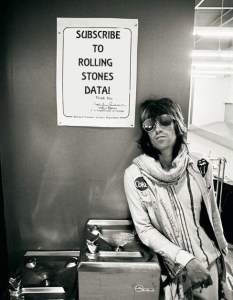 Subscribe to Stones Data here and get all posts delivered to you for free. Everybody got to go!
 Stones Data on Substack