

The Rolling Stones announced their 1975 Tour of the Americas performing ‘Brown Sugar’ live on a flatbed truck in NYC, surprising fans and solidifying their legendary rock reputation, especially with new member Ron Wood.
The Rolling Stones announced their 1975 Tour of the Americas performing ‘Brown Sugar’ live on a flatbed truck in NYC, surprising fans and solidifying their legendary rock reputation, especially with new member Ron Wood.

Mick Jagger’s surprise appearance on Wayne’s World in February 1993 created a memorable clash of rock royalty and comedic chaos, showcasing his effortless charisma and the humor of self-mockery.

The Rolling Stones’ 1981 album Tattoo You, initially titled Tattoo, blends revived tracks with fresh material, showcasing their evolution and impact across generations with hits like Start Me Up and Waiting on a Friend.

In 1978, Keith Richards showcased resilience amid chaos, focusing on songwriting for Emotional Rescue while navigating personal turmoil, the punk scene, and criticism about his reluctance to pursue solo endeavors.

Nils Lofgren’s 1975 tribute ‘Keith Don’t Go’ reflects heartfelt concern for Keith Richards amid his struggles with addiction, highlighting the emotional complexities and human connections in the rock landscape of the era.

Peter Whitehead significantly shaped the visual identity of The Rolling Stones in the 1960s, creating innovative films that captured the band’s essence and the rebellious spirit of the era.

In 1964 The Rolling Stones faced criticism from the National Federation of Hairdressers for their rebellious hairstyles, which became symbols of youth identity and resistance, boosting their anti-establishment image.

In the early 1970s the Rolling Stones transformed Villa Nellcôte into a chaotic recording hub for Exile on Main St. amidst financial troubles, drug use, and eccentric guests, exemplifying rock excess and creativity.

In 1964 The Rolling Stones, promoted by Andrew Loog Oldham, adopted an iconic controversial headline, positioning themselves as rebellious outcasts, contrasting sharply with the polished Beatles and capturing youthful defiance.

Ollie E. Brown, a vital percussionist for the Rolling Stones during their mid-’70s tours, shaped their sound and live energy, contributing significantly to influential recordings while also working with various music legends.

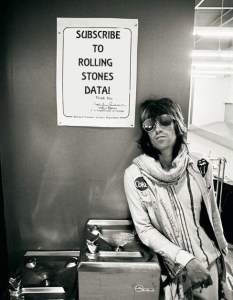 Subscribe to Stones Data here and get all posts delivered to you for free. Everybody got to go!
 Stones Data on Substack