

On February 24, 1995, The Rolling Stones historic performance in Johannesburg celebrated freedom post-apartheid, uniting fans through electrifying music, particularly their standout rendition of “Not Fade Away.”
On February 24, 1995, The Rolling Stones historic performance in Johannesburg celebrated freedom post-apartheid, uniting fans through electrifying music, particularly their standout rendition of “Not Fade Away.”

The unreleased track ‘Talk Is Cheap’ reflects the Rolling Stones’ internal conflicts during the 1985 Dirty Work sessions, showcasing tensions from Jagger’s solo career, Watts’ struggles, and Richards’ frustrations.

‘2120 South Michigan Avenue’ by The Rolling Stones is a renowned studio jam, originally shortened due to EP constraints. A 1982 release featured the full version, showcasing the band’s improvisational talent.

Mick Jagger diminishes his own importance, highlighting the contrast between celebrity and reality, suggesting his iconic status is largely a media construct rather than his personal achievement or ego.

In 1979 Keith Richards performed with the Rolling Stones at benefit concerts following his heroin possession plea, offering blind fans their first live experience, despite mixed community reactions and legal drama surrounding the band.

In May 1986 the Rolling Stones, in a relaxed interview with Molly Meldrum, shared personal stories and humor on The Meldrum Tapes, offering fans an intimate look at their personalities.

Forget the stadium swagger—The Rolling Stones turned a trash can into a drum kit for ‘Moon Is Up’. Dive into the bizarre, echo-drenched experiment that defied every rock convention.

Back in ’76, the Rolling Stones stirred major controversy with their Black and Blue ads. A huge Sunset Boulevard billboard showed model Anita Russell tied up, with text like, “I’m ‘Black and Blue’… and I love it!”

Why did The Rolling Stones trade romantic yearning for pure, unadulterated annoyance? Discover the story behind the sarcastic, sharp-edged reality of ‘Oh No, Not You Again’

The Rolling Stones’ iconic tongue logo was designed by John Pasche in 1970, inspired by Mick Jagger’s impressions of Hindu goddess Kali. Marshall Chess suggested a recognizable logo, leading to its global fame.

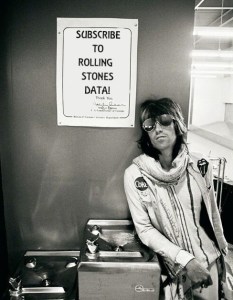 Subscribe to Stones Data here and get all posts delivered to you for free. Everybody got to go!
 Stones Data on Substack