

In 1972, amidst the wild lifestyle of the Rolling Stones at the Playboy Mansion, Charlie Watts remained calm and composed, preferring pool games to chaos, embodying a unique restraint in rock music.
In 1972, amidst the wild lifestyle of the Rolling Stones at the Playboy Mansion, Charlie Watts remained calm and composed, preferring pool games to chaos, embodying a unique restraint in rock music.

In May 1963, Record Mirror hailed The Rolling Stones as “genuine R&B,” recognizing their authentic sound and raw energy, setting them apart from their polished pop contemporaries and solidifying their musical legacy.

‘Train Song’, an unreleased Rolling Stones track, showcases an emotional, raw moment from the 1977 Some Girls sessions, revealing vulnerability before evolving into ‘All About You’ for 1980’s Emotional Rescue.

‘In Another Land’ es la rara joya de Bill Wyman que revela su talento creativo, fusionando psicodelia y surrealismo. Un viaje musical que encapsula la revolución sonora de los Rolling Stones en los ’60.

On January 5 throughout Rolling Stones history, notable events included live performances, recording sessions for solo albums, and interviews, reflecting the band’s lasting influence and collaboration.

Keith Richards describes performing as an electrifying experience fueled by audience energy. His connection with fans ignites raw joy and intensity, transforming stage chaos into his driving force.

The Rolling Stones’ album Bridges to Babylon blends classic rock and modern sounds, showcasing their adaptability and willingness to experiment, while reflecting on themes of love, fame, and societal change.

‘Jah Is Not Dead’ shows the Rolling Stones’ reggae evolution, blending acapella spirituality and fiery guitar work, inspired by the film Rockers and featuring Max Romeo and Boz Scaggs.

Los Rolling Stones, bajo la influencia de Chess Studios, grabaron clásicos del blues, destacando su nueva evolución musical. ‘Confessin’ the Blues’ de Jay McShann simboliza su innovador legado en el género.

‘Sittin’ on a Fence’ by The Rolling Stones captures the narrator’s resistance to social conformity and indecision, reflecting a philosophical skepticism toward settled lives amid a backdrop of mid-1960s cultural unease.

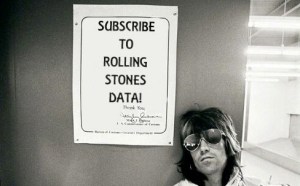
Subscribe to the Stones Data newsletter and get all daily posts delivered to you for free. Everybody got to go!
*Support this site and help us keep sharing great content. Thanks in advance!