

‘Disco Music’, an unreleased track from the Rolling Stones’ 1978 sessions, showcases their bold dive into disco with raw, funky grooves, starkly contrasting their hit ‘Miss You’, emphasizing creative experimentation.
‘Disco Music’, an unreleased track from the Rolling Stones’ 1978 sessions, showcases their bold dive into disco with raw, funky grooves, starkly contrasting their hit ‘Miss You’, emphasizing creative experimentation.

La canción de los Rolling Stones ‘You Don’t Have to Mean It’ , escrita por Jagger y Richards, refleja anhelos y emociones a través de influencias musicales y experiencias de Keith Richards en Jamaica.

‘Stop Breaking Down’, originally by Robert Johnson, is a pivotal blues song about tumultuous relationships, revived distinctively by The Rolling Stones. Its legacy continues through various artists and legal complexities.

On December 12 significant events in Rolling Stones history include court appearances, member departures, solo releases, a benefit concert, and Mick Jagger receiving a knighthood amidst mixed reactions.

Mick Jagger attributes The Rolling Stones’ enduring success to lifelong friendships with bandmates Keith and Charlie. Reflecting on their journey, he values loyalty, persistence, and genuine enjoyment over pride in achievements.

Ronnie Wood’s Gimme Some Neck cover art, a self-portrait enhanced with makeup and color, reflects the album’s wild essence. The album features collaboration from iconic musicians, blending influences of the Rolling Stones and Faces.

The Rolling Stones recorded an unreleased track, ‘Try Me’, originally by James Brown, during their 1965 sessions. Both artists showcased early experimentation, contributing to their iconic legacies in music.

‘Hang Fire’ de los Rolling Stones es una crítica social envuelta en sarcasmo, reflejando desilusión y crisis en Gran Bretaña. Su ritmo vibrante contrasta con letras que abordan el desempleo y la movilidad social.

The Rolling Stones’ take on ‘I Gotta Go’ honors Little Walter’s blues legacy with a vibrant rendition, showcasing Mick Jagger’s harmonica and vocals, alongside the band’s dynamic instrumentals, blending sorrow with joyful energy.

The Rolling Stones’ 1981 concert in Lexington, Kentucky, marked a triumphant return, surpassing their previous performance in 1978, energizing fans with a tighter show and heightened anticipation.

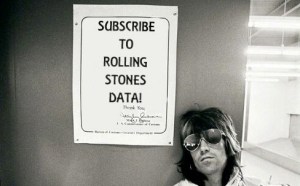
Subscribe to the Stones Data newsletter and get all daily posts delivered to you for free. Everybody got to go!
*Support this site and help us keep sharing great content. Thanks in advance!