

September 11 takes The Rolling Stones from sweaty 1960s halls to massive tours, Mick Jagger’s Primitive Cool, and one deeply unsettling historical turning point.
September 11 takes The Rolling Stones from sweaty 1960s halls to massive tours, Mick Jagger’s Primitive Cool, and one deeply unsettling historical turning point.

In 1997, Keith Richards and Charlie Watts reflect on replacing Bill Wyman with Darryl Jones in The Rolling Stones, blending nostalgia for Bill’s style with appreciation for Darryl’s talent and camaraderie.

In 1967, The Rolling Stones planned to launch Mother Earth as a label, signing Marianne Faithfull, but it didn’t materialize until they founded Rolling Stones Records in 1970, departing from Decca.

Hear The Rolling Stones’ rare ‘Silver Train’ alternate take and discover how a familiar song sounded before reaching its final destination.

¿Por qué los Rolling Stones dejaron de lado a Jagger-Richards? Prodigal Son es un inesperado homenaje que cambió el espíritu de Beggars Banquet.

Recorded in 1979, revisited twice, then hidden on a 1984 B-side, ‘I Think I’m Going Mad’ is one Rolling Stones song that deserved a better fate.

September 10 brings early Stones gigs, Ronnie Wood with Eric Clapton, a BBC ban on Star Star, and major tour stops from Berlin to Chicago.

Keith Richards never claimed to invent rock guitar. See why he credited Chuck Berry with shaping the sound that fueled the Rolling Stones.

Un riff, mucho blues y ninguna concesión. Descubre por qué ‘Black Limousine’ sigue siendo una de las joyas menos comentadas de Tattoo You.

Keith Richards calls it his favorite, yet others label it an uninspired miss. Why did The Rolling Stones struggle to catch the magic of this Chuck Berry-fueled high-speed chase?

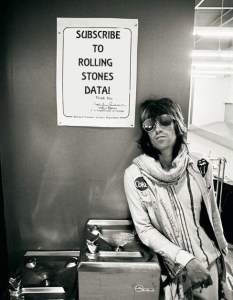 Subscribe to Stones Data here and get all posts delivered to you for free. Everybody got to go!
 Stones Data on Substack