

The 1968 Immediate Records compilation features Mick Jagger and Bill Wyman alongside Eric Clapton and Jimmy Page, showcasing raw British blues talent with moments of brilliance amid loose improvisation, reflecting a pivotal era.
The 1968 Immediate Records compilation features Mick Jagger and Bill Wyman alongside Eric Clapton and Jimmy Page, showcasing raw British blues talent with moments of brilliance amid loose improvisation, reflecting a pivotal era.

In June 1964, The Rolling Stones reinterpreted Chuck Berry’s ‘Reelin’ and Rockin’ at Chess Studios, opting for a relaxed groove that showcases their growing confidence and musical identity.

‘One Hit (To The Body)’ de los Rolling Stones explora el amor como una fuerza intensa y destructiva. La canción destaca la tensión entre los músicos y presenta solos memorables de Jimmy Page.

‘Cook Cook Blues’ showcases the Rolling Stones’ raw blues roots, capturing a loose, creative jam session. Initially recorded in 1982 and revived in 1989, it highlights the band’s instinctual chemistry.

April 10 in Rolling Stones history highlights the band’s cultural impact, personal milestones, and musical collaborations, featuring orchestral experiments, fashion controversies, and significant live performances through the decades.

Keith Richards, the legendary guitarist of The Rolling Stones, epitomizes endurance with sleepless creativity. His chaotic lifestyle fueled iconic music, blending exhaustion and adrenaline into a lasting rock legacy.

The Rolling Stones’ unreleased track ‘It Should Be You’ from 1963 highlights their struggle for identity, revealing the shift from pop imitation to embracing raw rhythm and blues, shaping their future sound.

‘Beast of Burden’ by The Rolling Stones explores themes of emotional balance and mutual respect in relationships, evolving from a tribute of gratitude between bandmates to a universally resonant anthem.

On April 9 the Rolling Stones’ history reflects their evolution from early gigs to solo projects, showcasing creative milestones like Bill Wyman’s solo single and Ronnie Wood’s radio show.

Charlie Watts, the steady drummer of The Rolling Stones, embraced simplicity and cynicism, viewing music as a craft rather than a glamorous identity, finding fulfillment in consistency and authenticity.

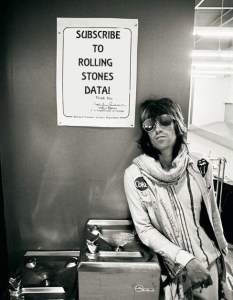 Subscribe to Stones Data here and get all posts delivered to you for free. Everybody got to go!
 Stones Data on Substack