

In 1964 The Rolling Stones faced criticism from the National Federation of Hairdressers for their rebellious hairstyles, which became symbols of youth identity and resistance, boosting their anti-establishment image.
In 1964 The Rolling Stones faced criticism from the National Federation of Hairdressers for their rebellious hairstyles, which became symbols of youth identity and resistance, boosting their anti-establishment image.

‘I Can’t See No One Else’ is an unreleased Rolling Stones track from the 1985 Dirty Work sessions, showcasing emotional depth and raw chemistry, featuring Jagger’s vocals, Richards’ harmonies, and Leavell’s keyboards.

‘Sweet Virginia’ by The Rolling Stones, released in 1972, blends country influences and darker themes of addiction, showcasing the band’s creative spirit during the tumultuous Exile on Main St. sessions.

On April 20 significant events in Rolling Stones history include the 1979 release of Ron Wood’s third solo album Gimme Some Neck, showcasing his rock spirit and collaborations with other band members.

In the early 1970s the Rolling Stones transformed Villa Nellcôte into a chaotic recording hub for Exile on Main St. amidst financial troubles, drug use, and eccentric guests, exemplifying rock excess and creativity.

“Cellophane Trousers,” an unreleased Rolling Stones track from the 1975 Black and Blue sessions, showcases the band’s experimental spirit with a standout Keith Richards riff and vibrant energy.

Hidden behind Between the Button’s biggest songs, ‘My Obsession’ reveals Brian Jones at his most inventive—and shows why this overlooked track deserves another listen.

April 19 highlights key moments in Rolling Stones history, from early performances to major album releases, showcasing their evolution through iconic events and live shows over the decades.

Keith Richards pursued a unique guitar sound, influenced by diverse musical styles rather than conventional technique. His visionary approach transformed the guitar into a powerful storytelling instrument, shaping the Rolling Stones’ signature sound.

In 1964 The Rolling Stones, promoted by Andrew Loog Oldham, adopted an iconic controversial headline, positioning themselves as rebellious outcasts, contrasting sharply with the polished Beatles and capturing youthful defiance.

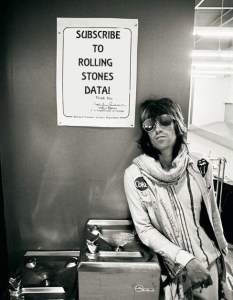 Subscribe to Stones Data here and get all posts delivered to you for free. Everybody got to go!
 Stones Data on Substack