

‘2120 South Michigan Avenue’ by The Rolling Stones is a renowned studio jam, originally shortened due to EP constraints. A 1982 release featured the full version, showcasing the band’s improvisational talent.
‘2120 South Michigan Avenue’ by The Rolling Stones is a renowned studio jam, originally shortened due to EP constraints. A 1982 release featured the full version, showcasing the band’s improvisational talent.

The Rolling Stones Monthly Book, published from 1964 to 1966, featured exclusive content about the band, enhancing their mythos and connecting fans to their personal lives and music history.

Before the stadium anthems’ there was ‘Off the Hook’. Uncover how The Rolling Stones transformed a borrowed Chicago rhythm into the gritty, rebellious attitude that defined their early years.

The Rolling Stones took Buddy Holly’s ‘Not Fade Away’, cranked up the Bo Diddley beat and turned a cover into something that sounded unmistakably dangerous.

Brian Jones, an influential guitarist of the Rolling Stones, began his musical journey in school orchestras, transitioned to guitar at 17, and prefers unique sounds and slide guitar over traditional methods.

The Rolling Stones, once earning only £7 a week, now make between £200 and £250 weekly from their music. Despite newfound wealth, their focus remains on rhythm-and-blues rather than money. They indulge in comforts like fine hotels and clothing, yet Charlie Watts notes their earnings swiftly diminish. Brian Jones hints at enjoying cars, while Bill Wyman treasures a gourmet kitchen gadget setup.

The Rolling Stones performed ‘You Better Move On’ on the Arthur Haynes Show in February 1964, showcasing their energetic rise as stars. This live rendition paid tribute to Arthur Alexander, highlighting the band’s connection to American soul music. The performance became a cherished moment in rock history, capturing the Stones’ formative stage.

In 1964 The Rolling Stones epitomized rhythm and blues, contrasting the Beatles’ polished approach with their raw Chicago blues-inspired sound. Their covers of iconic artists showcased a passionate devotion to the genre, as they aimed to convey rock’s gritty roots. This early style set the foundation for their future as rock legends.

The Rolling Stones face challenges converting their dynamic stage sound to recordings, often needing double-tracking. Their latest EP, featuring R-and-B tracks, surprisingly succeeded in charts, praised by fans and peers alike. Upcoming sessions promise uniqueness, with playful experimentation evident in previous recordings with producer Phil Spector, solidifying their distinct musical identity.

In 1964, The Rolling Stones emerged as significant figures in British R&B, receiving accolades like Best R&B Vocalist for Mick Jagger and Best R&B Group. This recognition marked a turning point, reshaping the UK music scene and establishing the band as influential artists blending American blues with British rebellion, paving the way for global success.

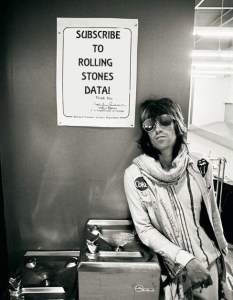 Subscribe to Stones Data here and get all posts delivered to you for free. Everybody got to go!
 Stones Data on Substack