

The Rolling Stones are creating a buzz in London, appealing greatly to teens and dividing adult opinions with their unique sound, impressive attendance records, and commercial success in rhythm and blues.
The Rolling Stones are creating a buzz in London, appealing greatly to teens and dividing adult opinions with their unique sound, impressive attendance records, and commercial success in rhythm and blues.

The Rolling Stones’ version of ‘I Just Want to Make Love to You’ exemplifies their bold reinterpretation of blues, blending urgency and attitude to create a raw, electrifying declaration for a new generation.

Between 1964 and 1966, The Rolling Stones published a monthly magazine featuring exclusive content, with Mick Jagger’s editorial launching the first issue, marking an intimate connection with fans.

In 1964, the Rolling Stones embraced Bo Diddley’s raw R&B sound, infusing their early music with his infectious rhythm and guitar riffs, reflecting their energetic and rebellious identity as rock pioneers.

‘Goodbye Girl’, an unreleased song by The Rolling Stones written by Bill Wyman, was recorded on November 8, 1964, at Chess Studios, showcasing their early blues influence and lyrical depth.

The Rolling Stones’ debut album cover, designed by Andrew Loog Oldham, utilized a dark band photo without names to evoke curiosity. Its success propelled the band to the forefront, contrasting sharply with The Beatles.

The Rolling Stones’ version of ‘Honest I Do’ pays tribute to blues legend Jimmy Reed, reflecting their early influences and showcasing a raw, imperfect sound that captures their evolving identity.

The Rolling Stones’ version of ‘Down the Road Apiece’ showcases their energy, merging history with innovation. Keith Richards leads with rhythmic prowess, capturing the essence of rock while paying homage to its roots.

In June 1964, the Rolling Stones recorded ‘Tell Me Baby’ at Chess Studios, embracing raw blues energy. This unreleased track reflects their early enthusiasm and improvisational spirit, distinct from polished hits.

In 1964, the Rolling Stones emerged as rock’s rebellious icons, contrasted with the Beatles. Their wild image and chaotic performances captivated fans and fueled extensive media coverage, marking their rise during the British Invasion.

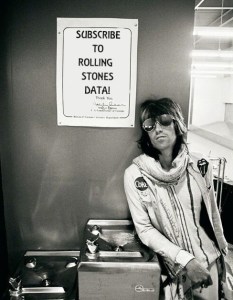 Subscribe to Stones Data here and get all posts delivered to you for free. Everybody got to go!
 Stones Data on Substack