

On October 20, 1964, The Rolling Stones electrified Paris, leading to chaos and rebellion. Their performance marked a pivotal moment in France’s rock culture, influencing generations and changing youth spirit.
On October 20, 1964, The Rolling Stones electrified Paris, leading to chaos and rebellion. Their performance marked a pivotal moment in France’s rock culture, influencing generations and changing youth spirit.
On October 20, 1964, The Rolling Stones electrified Paris at L’Olympia, transforming the venue into a stage of rebellion, forever altering France’s music landscape and cultural identity.

‘Surprise, Surprise’ showcases The Rolling Stones’ early experimentation with sound, blending youthful energy and catchy melodies as they transitioned from the Merseybeat influence towards their defining rock identity.

In 1964, The Rolling Stones recorded a jingle for Rice Krispies, titled ‘Wake Up In The Morning’. It aired in the UK and resurfaced online decades later, surprising fans.

Buddy Holly’s ‘Not Fade Away’, recorded in 1957, combines energetic rhythms with enduring love themes. The Rolling Stones’ 1964 cover showcased their distinct style, propelling them to rock icon status.

The Rolling Stones’ 1964 tour is a massive success, selling out shows in multiple locations while their EP Five By Five leads in sales, showcasing their raw musical talent.

Mick Jagger’s 1964 hat marked the start of his fashion influence, distinguishing him from The Beatles. His evolving style laid the foundation for his iconic status and inspired future artists.

When The Rolling Stones tore into Money (That’s What I Want), it wasn’t a cover—it was a statement of hunger, grit, and chaotic early ambition pulling Motown into rock clubs.

‘Heart of Stone’ by The Rolling Stones showcases their evolution, blending bluesy swagger with dark, rebellious lyrics. The song highlights Jagger’s charm and vulnerability, marking a pivotal moment in their musical journey.

‘We’re Wastin’ Time’ by The Rolling Stones is a forgotten, melancholic hybrid of pop and country, featuring session musicians like Big Jim Sullivan and Jimmy Page, showcasing the creativity of 1960s studio sessions.

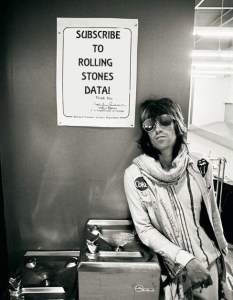 Subscribe to Stones Data here and get all posts delivered to you for free. Everybody got to go!
 Stones Data on Substack