

In 1964 The Rolling Stones faced criticism from the National Federation of Hairdressers for their rebellious hairstyles, which became symbols of youth identity and resistance, boosting their anti-establishment image.
In 1964 The Rolling Stones faced criticism from the National Federation of Hairdressers for their rebellious hairstyles, which became symbols of youth identity and resistance, boosting their anti-establishment image.

In 1964 The Rolling Stones, promoted by Andrew Loog Oldham, adopted an iconic controversial headline, positioning themselves as rebellious outcasts, contrasting sharply with the polished Beatles and capturing youthful defiance.

In June 1964, The Rolling Stones reinterpreted Chuck Berry’s ‘Reelin’ and Rockin’ at Chess Studios, opting for a relaxed groove that showcases their growing confidence and musical identity.

On April 8, 1964 The Rolling Stones electrified the Ready Steady Go! Mod Ball in Wembley, capturing the essence of youth culture and rebellion amid the British Invasion.

‘I’m a King Bee’ bridges swamp blues and rock, evolving from Slim Harpo’s 1957 original to The Rolling Stones’ 1964 electrifying cover, showcasing transformative influences on music generation.

In 1964, Mick Jagger was fined for driving offenses, following a 1962 incident where he faced similar charges. Although these legal troubles attracted media attention, they did not hinder his rise to stardom, enhancing his rebellious image within rock culture.

In June 1964, The Rolling Stones recorded the unreleased track ‘Meet Me in the Bottom’ at Chess Studios, blending blues tradition with their unique identity, showcasing raw energy and musical transformation.

The Rolling Stones’ unreleased version of ‘Key To The Highway’, recorded in 1964, showcases their deep connection to blues roots, blending British influence with Chicago authenticity and historical significance.

The Rolling Stones’ version of ‘Fannie Mae’, recorded during their final BBC session, showcases their R’n’B roots with spontaneous energy, reflecting their evolving identity and curiosity beyond mainstream success.

On February 4, 1964, the Rolling Stones recorded the unreleased track ‘Andrew’s Blues’ at Regent Sound Studios, featuring chaotic jams and playful jabs at their manager and Decca Records, showcasing their irreverent spirit.

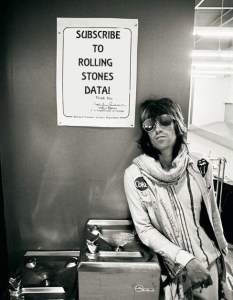 Subscribe to Stones Data here and get all posts delivered to you for free. Everybody got to go!
 Stones Data on Substack