

Mick Jagger’s 1983 role as a Chinese Emperor in The Nightingale blends rock star charisma with fairy-tale charm, creating an ironic, cult classic showcasing unexpected television intersections and themes of authenticity.
Mick Jagger’s 1983 role as a Chinese Emperor in The Nightingale blends rock star charisma with fairy-tale charm, creating an ironic, cult classic showcasing unexpected television intersections and themes of authenticity.

In 1977 Mick Jagger said the Stones would tour without Keith Richards if jailed, stressing survival over waiting years, while exposing the tension between loyalty, momentum, and fame publicly then.

In 1988, Mick Jagger inducted The Beatles into the Rock and Roll Hall of Fame, symbolizing mutual respect between iconic rival bands and celebrating their transformative impact on modern music.

The 1988 Rock and Roll Hall of Fame induction at Waldorf Astoria gathered legends like Mick Jagger and Bob Dylan, celebrating their lasting influence on music with emotional tributes and unforgettable performances.

Mick Jagger’s role as Ned Kelly in the 1970 film transformed his creative process, leading to the development of iconic song “Brown Sugar” during a pivotal period away from the Rolling Stones.

Mick Jagger’s 1975 tour revealed his struggle between style and functionality, as he wished to wear denim on stage but found it impractical for his energetic performances, leading to ongoing compromises.

Between 1964 and 1966, The Rolling Stones published a monthly magazine featuring exclusive content, with Mick Jagger’s editorial launching the first issue, marking an intimate connection with fans.

Brian Jones innovatively blended ancient Moroccan music with modern studio techniques, creating a pioneering sound that shaped psychedelic rock, highlighting the Rolling Stones’ adventurous spirit and cultural immersion.

Mick Jagger reflects on discovering the harmonica, influenced by competition with Brian Jones and learning through observation and practice, especially from listening to Jimmy Reed records.

‘Sympathy for the Devil’ critiques humanity’s darker aspects through a compelling fusion of rock and Afro-Latin rhythms, showcasing The Rolling Stones’ bold and provocative artistry.

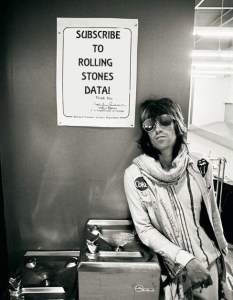 Subscribe to Stones Data here and get all posts delivered to you for free. Everybody got to go!
 Stones Data on Substack