

Mick Jagger emphasized that The Rolling Stones sought a temporary bassist not for technical brilliance but for adaptability and chemistry, prioritizing fit over skill to maintain their unique band dynamic.
Mick Jagger emphasized that The Rolling Stones sought a temporary bassist not for technical brilliance but for adaptability and chemistry, prioritizing fit over skill to maintain their unique band dynamic.

The Rolling Stones, initially dismissed for their unconventional style, embraced rejection and transformed skepticism into fuel, proving that their raw authenticity resonated with audiences seeking something different.

In the late 1970s The Rolling Stones coexisted with punk rock, acknowledging its rebellious spirit while retaining their own style, ultimately blending punk’s urgency with their established rock identity.

Mick Jagger’s relationship with Marsha Hunt, mother of his daughter Karis, was complicated and impactful, intertwining personal and cultural influences, particularly evident in Jagger’s song ‘Brown Sugar’.

Mick Jagger honored Charlie Watts in 2021 describing him as the band’s steady heartbeat and reliable presence, emphasizing his crucial role in grounding the chaotic nature of the Rolling Stones.

Mick Jagger’s early performances in suburban England showcased his fearless attitude and exaggerated movements, defying expectations and establishing the shock value that would define The Rolling Stones’ legendary stage presence.

Mick Jagger married Nicaraguan activist Bianca Jagger on May 12, 1971, in a star-studded ceremony in St. Tropez, France, attended by notable celebrities. Their marriage lasted seven years, with Bianca recalling that it ended on their wedding day.

Joe Jagger reflects on Mick’s early passion for music over sports, highlighting his independence, hard work, and commitment as a teenager, ultimately leading to his rock star journey and family pride.

Before their debut on July 12, 1962, Mick Jagger expressed concerns about the Rolling Stones’ identity, fearing misclassification as a mere rock ‘n’ roll band, while their roots lay in American blues.

In the mid-’70s Munich turned into a wild creative playground for The Rolling Stones, with Mick Jagger steering sessions at Musicland Studios—equal parts rock ’n’ roll glamour and human chaos.

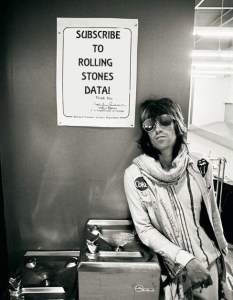 Subscribe to Stones Data here and get all posts delivered to you for free. Everybody got to go!
 Stones Data on Substack