

In 2018, Mick Jagger discussed the deep connection with fans, revealing their obsession with reliving the past and youth through music, while balancing nostalgia with the need for personal growth.
In 2018, Mick Jagger discussed the deep connection with fans, revealing their obsession with reliving the past and youth through music, while balancing nostalgia with the need for personal growth.

Brian Jones was a musical visionary whose intense ambition and devotion to rhythm and blues shaped The Rolling Stones’ early sound, creating a unique blend of purpose and raw energy alongside Jagger and Richards.

Stevie Ray Vaughan, a legendary guitarist, caught Mick Jagger’s attention during a Dallas performance but was ultimately turned down for a record deal. Vaughan later emerged as a monumental figure in blues music history.

Mick Jagger views interviews as vital connections to fans, providing a chance to clarify misconceptions and shape the band’s narrative, emphasizing conversation over mere promotion in the media landscape.

Mick Jagger commemorated Brian Jones at the Rolling Stones’ Hyde Park concert on July 5, 1969, blending heartfelt tribute with vibrant performances, marking a transformative moment for the band.

Rolling Stones quotes: How Mick Jagger First Encountered “Jungle Music” Mick Jagger and the Power of “Jungle Music” Picture a young Mick Jagger, barely a teenager, caught in the thrall of a […]

Mick Jagger, fluent in French, enhances The Rolling Stones’ European concerts with personal interactions, jokes, and banter, creating memorable experiences that deepen audience connections beyond the music.

Mick Jagger highlights the thrill of performing iconic Rolling Stones “warhorses,” emphasizing their timeless appeal and energetic connection with audiences, making them essential to every concert experience.

Mick Jagger emphasized that ‘Love You Live’ was a significant and labor-intensive live album, crafted to deliver an authentic concert experience, standing out as the band’s second true live release.

In September 1968 Mick Jagger expressed excitement after recording Beggars Banquet, eager to energize live audiences with its ten engaging tracks, blending blues and rock in unforgettable performances.

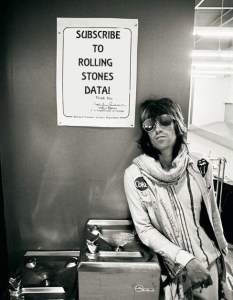 Subscribe to Stones Data here and get all posts delivered to you for free. Everybody got to go!
 Stones Data on Substack