

Mick Jagger’s experiences in late ’70s New York inspired the raw, fast-paced rock of the Some Girls album, characterized by punk influences and street-smart themes, rejecting disco aesthetics.
Mick Jagger’s experiences in late ’70s New York inspired the raw, fast-paced rock of the Some Girls album, characterized by punk influences and street-smart themes, rejecting disco aesthetics.

Mick Jagger and Keith Richards reflect on their chaotic yet meaningful experience at Live Aid 1985, emphasizing the event’s purpose of raising awareness for world hunger despite technical difficulties and lack of pay.

Mick Jagger embraces his intimidating image, humorously acknowledging his “evil face” that led to villainous film offers. His persona captivates fans, blending charm and menace, making him an iconic figure.

Mick Jagger’s 1964 hat marked the start of his fashion influence, distinguishing him from The Beatles. His evolving style laid the foundation for his iconic status and inspired future artists.

Mick Jagger emphasizes the addictive nature of live performances and the importance of balance. Pacing oneself enhances the thrill, ensuring that each show remains fresh and engaging for both artists and audiences.

In August 1981 Mick Jagger announced a monumental Rolling Stones tour, generating $50 million and captivating 2.5 million fans with theatrical performances and vibrant visuals across the United States.

Mick Jagger views music as a powerful force capable of elevating emotions, though these transcendent moments are rare. The unpredictability of music’s impact keeps both fans and artists continually searching for that magic.

In a 1970 interview Mick Jagger emphasized his commitment to The Rolling Stones, rejecting solo aspirations and reinforcing the band’s collective dynamic. He asserted that their unity was more important than individual recognition or success.

Mick Jagger and Chrissie Shrimpton were a glamorous rock ‘n’ roll couple in the 60s, known for their fleeting romance, with Jagger’s focus shifting to other muses after their breakup.

Mick Jagger diminishes his own importance, highlighting the contrast between celebrity and reality, suggesting his iconic status is largely a media construct rather than his personal achievement or ego.

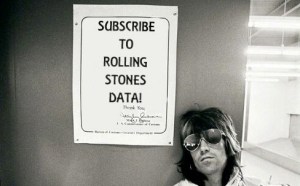
Subscribe to the Stones Data newsletter and get all daily posts delivered to you for free. Everybody got to go!
*Support the site and help me keep sharing great content. Thanks in advance!