

Mick Jagger described the collaborative and exploratory songwriting process for the Rolling Stones’ Undercover album in Paris, where early demos solidified the core tracks before the full band joined the sessions.
Mick Jagger described the collaborative and exploratory songwriting process for the Rolling Stones’ Undercover album in Paris, where early demos solidified the core tracks before the full band joined the sessions.

Mick Jagger chats about life with The Rolling Stones, new music, and dealing with fame. He expresses thoughts on marriage, future plans, and the music scene, keeping it real and down-to-earth.

Jeff Beck’s relationship with The Rolling Stones included missed opportunities and collaborations, marked by his rejection to join as a permanent member due to differing musical preferences, yet mutual admiration remained.

On June 5, 1975, Geraldo Rivera conducted interviews with Mick and Bianca Jagger on Goodnight America, showcasing their insights on music, fame, and individuality. The broadcast featured a Baton Rouge soundcheck of Honky Tonk Women, juxtaposing the Stones’ raw energy with mainstream television polish, highlighting their cultural significance and creative process.

On February 9, 1993, Mick Jagger performed a solo rendition of ‘Live With Me’ at Webster Hall, showcasing his raw talent and charisma in an intimate setting, proving less can be more.

Mick Jagger emphasizes that while no single song can change the world, the cumulative power of all music shapes our lives, reflecting history, emotions, and social movements profoundly.

Mick Jagger, born on July 26, 1943, in Dartford, England, became a rock icon as the lead singer of The Rolling Stones, reflecting on life and mortality throughout his career.

Keith Richards and Mick Jagger discuss the controversial songs ‘Under My Thumb’ and ‘Stupid Girl’, highlighting their origins, Brian Jones’ innovative contributions, and Jagger’s defense against anti-female interpretations.

Mick Jagger’s early life in 1950s England featured TV appearances with his father, blending sports and academics. Ultimately, he pursued music, leaving university to co-found The Rolling Stones, despite parental concerns.

In July 1972, Mick Jagger and Keith Richards were arrested in Warwick, Rhode Island for assaulting a photographer, delaying their Boston concert by three hours, yet they performed afterward.

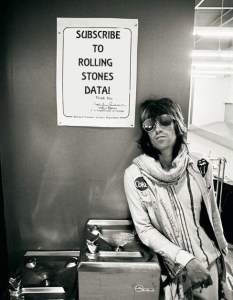 Subscribe to Stones Data here and get all posts delivered to you for free. Everybody got to go!
 Stones Data on Substack