

Keith Richards and Mick Jagger discuss the controversial songs ‘Under My Thumb’ and ‘Stupid Girl’, highlighting their origins, Brian Jones’ innovative contributions, and Jagger’s defense against anti-female interpretations.
Keith Richards and Mick Jagger discuss the controversial songs ‘Under My Thumb’ and ‘Stupid Girl’, highlighting their origins, Brian Jones’ innovative contributions, and Jagger’s defense against anti-female interpretations.

The Rolling Stones’ unreleased ‘Black Limousine’ (version #2) showcases a gritty blend of blues and rock, capturing the band’s chaotic lifestyle during the 1977 Some Girls sessions in France.

Rolling Stones Quotes: Mick Jagger about having a vocation “People always question why we continue to do it, it’s very odd but people question it all the time that why you should […]

Keith Richards emphasizes that despite perceptions of constant conflict, his relationship with Mick Jagger is primarily smooth, rooted in respect, creativity, and lasting partnership that shapes their legendary music.

Mick Jagger emphasizes the importance of balance in life, reflecting on how priorities evolve over time. Embracing change is vital for growth and fulfillment, allowing us to adapt our goals as we progress. Like a band reshapes its sound, we should tune into what matters now, making space for newfound rhythms in our journey.

By 1966, The Rolling Stones faced personal challenges amidst their success. Keith Richards noted the need for a break to reflect and reconnect, as they struggled with fame and living situations. Internal dynamics shifted, particularly with Brian Jones, creating tensions. This period marked a transition as they evolved and confronted their realities.

Charlie Watts, the drummer of The Rolling Stones, emphasized that he didn’t play loudly, but rather created an illusion of volume through skilled engineering and timing. His understated style focused on groove and precision, making him a respected figure in rock music.

In 1978, Mick Jagger claimed he was as significant to England as the Queen, highlighting his cultural impact during his superstardom. This comparison showcased the contrast between traditional royalty and his rebellious charisma, embodying rock royalty’s unique status.

Mick Jagger’s 1975 remark about U.S. Presidents suggested that only “a madman or an actor” would seek such power, reflecting his skepticism of political leadership amid the 1970s’ social and political turmoil.

Keith Richards humorously identifies as a “self-employed entertainer” on his 1976 passport, embodying a grounded, irreverent humor that defies rock star glamor. This phrase reflects not just his unique identity but also the rebellious spirit of The Rolling Stones, emphasizing a lifestyle that prioritizes freedom and personal expression over conformity.

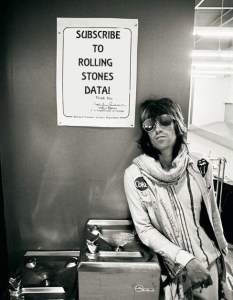 Subscribe to Stones Data here and get all posts delivered to you for free. Everybody got to go!
 Stones Data on Substack