

Charlie Watts reflected on Mick Jagger and Keith Richards’ contrasting personalities, noting their strong bond, creativity, and collaboration, which despite disagreements, contribute to The Rolling Stones’ enduring magic.
Charlie Watts reflected on Mick Jagger and Keith Richards’ contrasting personalities, noting their strong bond, creativity, and collaboration, which despite disagreements, contribute to The Rolling Stones’ enduring magic.

Mick Jagger’s 1975 tour revealed his struggle between style and functionality, as he wished to wear denim on stage but found it impractical for his energetic performances, leading to ongoing compromises.

Keith Richards experienced a name change from “Richards” to “Richard” in the 1960s for a cooler image, but later reclaimed his original surname, representing his identity and rock history.

In 1973, rock critic Lester Bangs dismissed the Rolling Stones’ longevity, predicting they would burn out. Ironically, the band has thrived for over sixty years, defying expectations.

Brian Jones innovatively blended ancient Moroccan music with modern studio techniques, creating a pioneering sound that shaped psychedelic rock, highlighting the Rolling Stones’ adventurous spirit and cultural immersion.

The Rolling Stones’ longevity stems from their adaptability and commitment to live performance, navigating changes without erasing their identity. Creative tension between Jagger and Richards fuels their enduring music and relevance.

‘Sympathy for the Devil’ critiques humanity’s darker aspects through a compelling fusion of rock and Afro-Latin rhythms, showcasing The Rolling Stones’ bold and provocative artistry.

Keith Richards reflects on America’s transformation from a carefree fantasy in the early ’60s to a politically charged landscape by 1969, highlighting youth activism and cultural shifts influencing the Rolling Stones.

Keith Richards describes performing as an electrifying experience fueled by audience energy. His connection with fans ignites raw joy and intensity, transforming stage chaos into his driving force.

Mick Jagger expressed regret over Mick Taylor’s 1974 departure from the Rolling Stones, citing a mix of fatigue and personal conflicts, while acknowledging Taylor’s significant contributions to the band’s success.

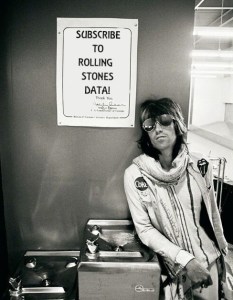 Subscribe to Stones Data here and get all posts delivered to you for free. Everybody got to go!
 Stones Data on Substack