

Keith Richards recalled seeing chaos unfold before them, realizing security had failed. He stopped playing to prevent a riot, trying to divert attention from the Hells Angels without knowing someone had died.
Keith Richards recalled seeing chaos unfold before them, realizing security had failed. He stopped playing to prevent a riot, trying to divert attention from the Hells Angels without knowing someone had died.

Wilfrid Mellers contrasts the Beatles’ innocence with the Rolling Stones’ aggressive, dark sound. He highlights how the Stones used volume and raw energy to overwhelm listeners, creating distinct emotional experiences.

Charlie Watts’ drumming journey began at age 13 with an Olympic kit. Despite noisy beginnings in his aunt’s bedroom, his passion laid the foundation for his legendary career with The Rolling Stones.

Keith Richards critiques Bill Wyman’s second solo album, emphasizing the importance of staying true to one’s strengths. He believes overreaching diminishes authenticity and unity within a band.

Keith Richards reflects on discovering rock & roll in the 1950s, crediting Chuck Berry’s ‘Heartbreak Hotel’ for igniting his passion for guitar, which redefined his musical aspirations and direction.

Brian Jones shaped the Rolling Stones’ identity through musical innovation and experimentation. His brilliance was overshadowed by substance abuse, leading to his tragic decline and untimely death at 27.

Ronnie Wood reflects on his addiction journey beginning at sixteen, battling decades of habits while embracing recovery through distractions and confronting nostalgia, all while striving for daily progress in his life.

Mick Jagger emphasizes adaptability and audience connection as keys to The Rolling Stones’ enduring success in rock music, highlighting the importance of evolution while maintaining their signature sound.

Paul McCartney praises The Rolling Stones while noting their tendency to follow the Beatles’ innovations. He reflects on their evolution from blues covers to original songwriting influenced by the Beatles’ success.

Mick Jagger critiques marriage as a blend of legal and traditional constraints rather than a guaranteed route to happiness. His views challenge romantic ideals, promoting a pragmatic understanding of love and commitment.

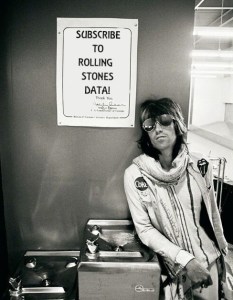 Subscribe to Stones Data here and get all posts delivered to you for free. Everybody got to go!
 Stones Data on Substack