

Bill Wyman revealed he barely socialized with The Rolling Stones for about a decade. Drugs were part of the problem, but the real story was far more personal.
Bill Wyman revealed he barely socialized with The Rolling Stones for about a decade. Drugs were part of the problem, but the real story was far more personal.

In 2015, Keith Richards was asked about The Rolling Stones’ future. His answer revealed how he really viewed the band’s chances of carrying on.

Keith Richards has a theory about why critics turn on new Rolling Stones albums—and his 1973 defense of Goats Head Soup is brutally direct.

Keith Richards once told Brian Jones, “You’ll never make thirty.” Decades later, the chilling prediction sounds less like a remark and more like an eerie warning.

In 1977, Mick Jagger admitted he could become “a total monster” on the road—then immediately pointed the finger at Keith Richards. Of course he did.

Mick Jagger had spent decades conquering stages, but in 2016 he offered a different challenge: knowing your roots is no reason to stop exploring.

Mick Jagger didn’t just play country; he wore it like an ironic costume. Explore the satirical side of The Rolling Stones and why their twangiest hits were always a wink.

Keith Richards recalls the 1967 bust, the Stones’ growing war with the British establishment and why Morocco suddenly seemed like the perfect escape.

Mick Taylor knew the Stones were different from the moment he joined. But what exactly made their style and attitude so unique?

Mick Jagger and Keith Richards have very different views on playing live. Their revealing comments explain what keeps The Rolling Stones returning to the stage.

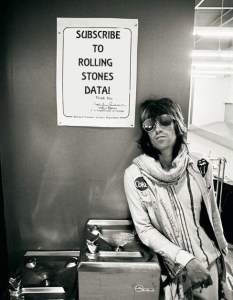 Subscribe to Stones Data here and get all posts delivered to you for free. Everybody got to go!
 Stones Data on Substack