

In 1974, Mick Jagger dropped an uncomfortable truth about Elvis Presley. Why did The Rolling Stones reject the King’s throne to forge their own dangerous, lasting path?
In 1974, Mick Jagger dropped an uncomfortable truth about Elvis Presley. Why did The Rolling Stones reject the King’s throne to forge their own dangerous, lasting path?

Keith Richards y Charlie Watts reflexionan sobre la transición de Bill Wyman a Darryl Jones en los Rolling Stones destacando la química personal, el respeto por las decisiones de Wyman y las contribuciones únicas de Jones.

Was Some Girls just an album, or a direct report from a collapsing city? Discover how the grit of 1978 New York City forced The Rolling Stones to reinvent themselves.

Caught without a name and running out of coins, how did Brian Jones accidentally coin “The Rolling Stones”? Keith Richards finally clears the air on that frantic, career-defining phone call.

Amidst the drug-fueled chaos of Nellcôte, producer Jimmy Miller fought to capture a sound. Discover how the producer held The Rolling Stones together to forge their rawest, most debauched masterpiece.

From Dublin waitresses to “nighttime witches,” Mick Jagger unloads on the manic inspiration behind The Rolling Stones’ ‘I Go Wild’. Ever wonder what this chaotic lyrical spiral actually means?

Forget the tortured poet trope. Discover the reality behind The Rolling Stones’ greatest hits, where napkin-scrawled lyrics and suburban observations became the accidental blueprints for rock’s most enduring anthems.

Why did a dangerous neighborhood define Keith Richards’ sound? Discover how his gritty youth in Dartford fueled the restless rebellion that would eventually turn The Rolling Stones upside down.

Brian Jones watched as clowns and rock gods collided. Was the chaotic Rock and Roll Circus the moment The Rolling Stones finally lost their grip, or a stroke of genius?

Keith Richards remembers school as a rigid sorting machine that tried to label him early, before The Rolling Stones turned his refusal to fit in into rock history.

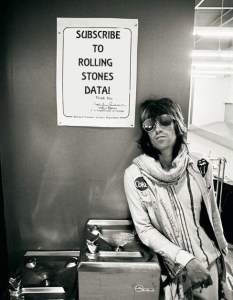 Subscribe to Stones Data here and get all posts delivered to you for free. Everybody got to go!
 Stones Data on Substack