

Why did a dangerous neighborhood define Keith Richards’ sound? Discover how his gritty youth in Dartford fueled the restless rebellion that would eventually turn The Rolling Stones upside down.
Why did a dangerous neighborhood define Keith Richards’ sound? Discover how his gritty youth in Dartford fueled the restless rebellion that would eventually turn The Rolling Stones upside down.

Brian Jones watched as clowns and rock gods collided. Was the chaotic Rock and Roll Circus the moment The Rolling Stones finally lost their grip, or a stroke of genius?

Keith Richards remembers school as a rigid sorting machine that tried to label him early, before The Rolling Stones turned his refusal to fit in into rock history.

Punk was busy declaring a revolution. Keith Richards had other ideas. The Rolling Stones guitarist delivered a 1978 verdict that still sparks debate today.

In 1981 Mick Jagger quietly admitted he’d stopped chasing every new band—now he only stops when something actually feels worth the noise.

Charlie Watts had no interest in drama, just truth: watching Otis Redding live changed how he saw drumming. The Rolling Stones story hides a harder reality than fans expect.

The Rolling Stones Keith Richards flipped heavy metal on its head in 2010—suddenly John Lee Hooker is the real source. What did he actually mean by that?

The Rolling Stones didn’t just admire Bob Dylan—they studied him, borrowed from him, and somehow turned it into a quiet creative rivalry that still feels unfinished today.

The Rolling Stones drummer hit a breaking point in 1986—one slip, one decision, and a sudden reset into jazz, silence, and questions fans still debate even today.

The Rolling Stones weren’t building a plan—they were chasing blues records like contraband, and somehow that obsession turned into Satisfaction before anyone noticed.

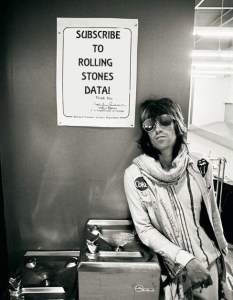 Subscribe to Stones Data here and get all posts delivered to you for free. Everybody got to go!
 Stones Data on Substack