

In 1994, Keith Richards didn’t see The Rolling Stones as a band simply surviving. He saw something stranger: the Stones starting all over again.
In 1994, Keith Richards didn’t see The Rolling Stones as a band simply surviving. He saw something stranger: the Stones starting all over again.

Keith Richards picked up a guitar to make music, not millions. Then The Rolling Stones happened—and suddenly the simple plan became rather complicated.

Keith Richards didn’t exactly make friendship with Mick Jagger sound easy. His candid words reveal the private barrier behind their famously complicated relationship.

What were The Rolling Stones really like in the studio during spring 1974? Keith Richards offers a revealing glimpse into the sessions, the atmosphere, and what happened behind the scenes.

What did Paul McCartney really think of Brian Jones? In 1969, shortly after the Stones guitarist’s death, McCartney offered a revealing glimpse into how Jones was viewed by his peers.

Keith Richards rarely gets sentimental, making his 2009 words about Mick Jagger especially interesting. Discover the surprising respect behind The Rolling Stones’ longest-running partnership.

Mick Jagger didn’t glamorize heroin. His blunt quote reveals what he believed addiction really does—and why it changes everything.

Ronnie Wood’s family story begins on England’s canals, not a concert stage. Discover the surprising heritage that shaped The Rolling Stones guitarist long before fame.

Keith Richards saw Dirty Work very differently from many critics. His candid comments reveal what really mattered during one of The Rolling Stones’ most turbulent recording sessions.

Discover the family background behind Mick Jagger and how his early life helped shape the singer who would lead The Rolling Stones into rock history.

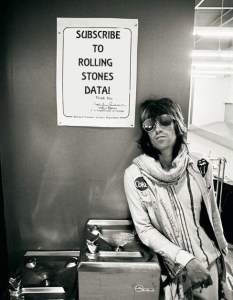 Subscribe to Stones Data here and get all posts delivered to you for free. Everybody got to go!
 Stones Data on Substack