Enjoy this site? Please consider making a small contribution to help cover running costs and keep updating it daily. Every bit of support helps! Thank you.
Few albums accidentally captured a band falling apart quite like Through the Past, Darkly (Big Hits Vol. 2) by The Rolling Stones. Long before rock nostalgia became a profitable industry, the group was already turning tension into iconic imagery, proving dysfunction photographs surprisingly well. Behind the famous octagonal cover stood photographer Ethan Russell, whose lens quietly documented the uneasy final chapter of Brian Jones inside the Stones. While fans focused on the music, the photos hinted at something darker: a legendary band reinventing itself while one of its creators slowly faded from the picture — literally and emotionally.
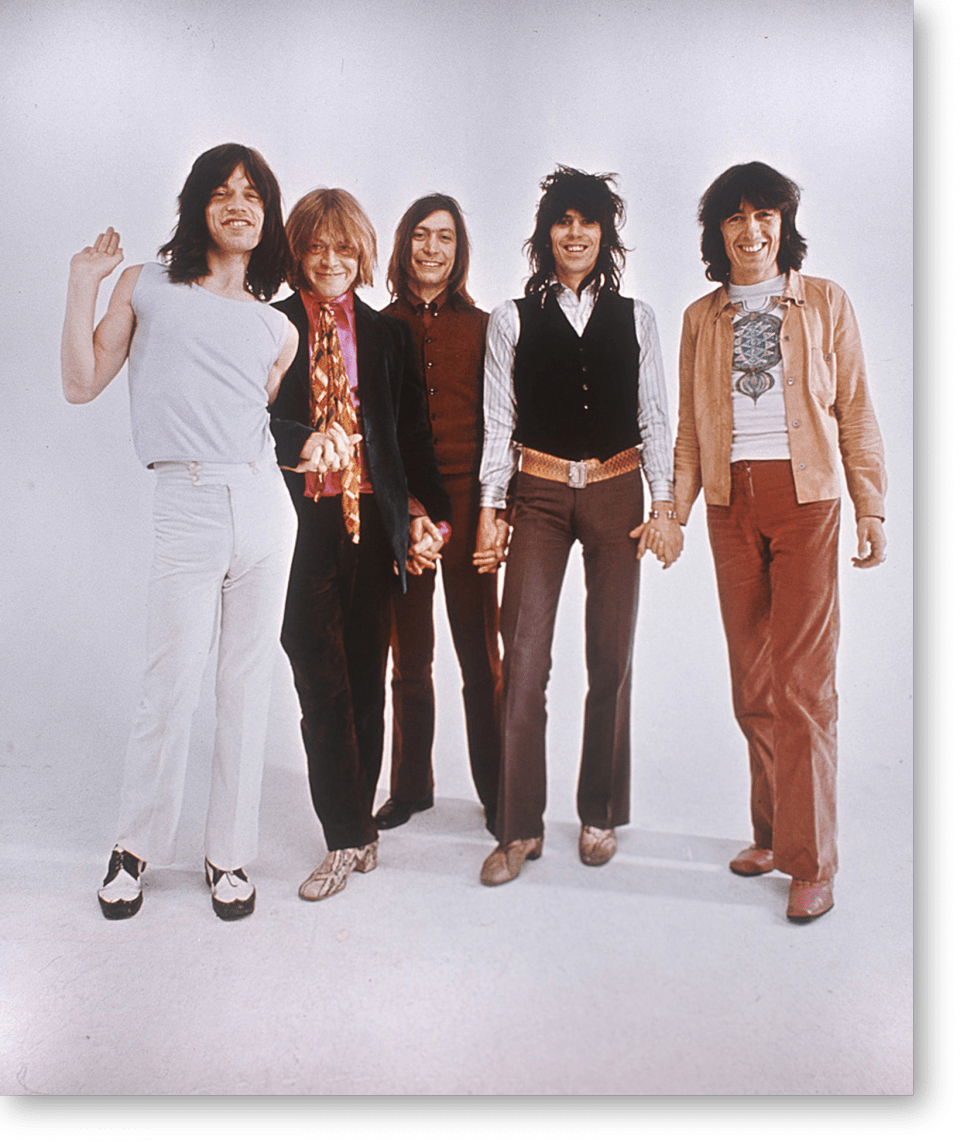
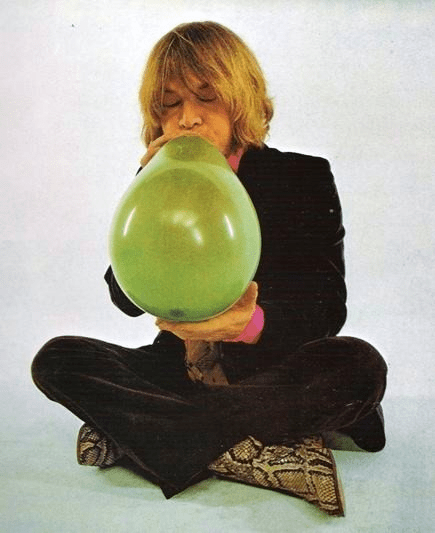
May 21, 1969: Last photo shoot with Brian Jones by Ethan Russell captured near Tower Bridge and later at George Nichol’s London studio, which would also provide the haunting cover and gatefold images for the Through the Past, Darkly (Big Hits Vol. 2)compilation. By then the atmosphere surrounding the Stones had shifted dramatically. Brian, once the visionary who assembled the band, appeared increasingly isolated during the sessions, caught between fading involvement and growing tension within the group. Everyone seemed aware that an era was quietly collapsing in real time. Only weeks later he would officially leave the band, marking one of the most emotional and uncomfortable turning points in Stones history. The photographs remain striking not just for their style, but because they unintentionally documented the final fragile moments of Brian Jones as a Rolling Stone.
A Farewell in Photos: The Rolling Stones and Brian Jones
On May 21, 1969 The Rolling Stones stepped in front of photographer Ethan Russell for what unknowingly became their last official photo session with founding member Brian Jones. The shoot unfolded around London’s famous Tower Bridge before moving into George Nichol’s studio, producing the striking images later used for the cover and gatefold artwork of Through the Past, Darkly (Big Hits Vol. 2) What appeared to be another routine promotional session soon revealed itself as something far heavier: a visual document of a band quietly breaking apart from within.
Russell had already established himself as one of rock music’s most respected photographers. Beyond his work as an author and video director, he became legendary for an achievement no other photographer could claim — being the only rock photographer to shoot album covers for The Beatles, The Rolling Stones and The Who. His ability to capture musicians without glamour or artificial polish gave his photographs an unusual honesty, and that honesty became painfully visible during this session with Brian Jones.
By the spring of 1969, Jones no longer looked like the confident architect of the Rolling Stones’ image and sound. While Mick Jagger and Keith Richards pushed the band toward a tougher, more focused direction, Brian appeared exhausted, disconnected and emotionally distant. Russell’s camera unintentionally preserved that uncomfortable atmosphere. The photos show a band physically together yet emotionally fractured, standing side by side while already drifting into separate futures.
The Artwork, the Tension and the End of an Era
The finished album design for Through the Past, Darkly became one of the most distinctive sleeves in the Stones’ catalog. Rather than a standard square cover, the compilation appeared in an unusual octagonal shape featuring close-up portraits of the band with long hair and serious expressions. The concept was inspired by Verbum, an artwork by Dutch graphic artist M. C. Escher. Fascinated by Escher’s surreal geometric style, Mick Jagger reportedly contacted him directly about designing an album cover, but the artist declined the offer. Andy Warhol was also considered before the band ultimately settled on the octagonal concept. Ironically, Warhol would later create the famous zipper artwork for Sticky Fingers.
In retrospect, the imagery from Russell’s session feels less like a promotional campaign and more like a farewell portrait. Only weeks after the shoot, Brian Jones was officially dismissed from the very band he had founded in 1962. The decision was deeply painful for everyone involved, even if it had become unavoidable. Less than two months later, Jones would be dead at the age of 27, permanently transforming the mythology surrounding the Stones’ rise.
That is why these photographs continue to resonate decades later. Ethan Russell did not simply photograph a famous rock group in 1969 — he unknowingly documented the final moments of Brian Jones inside The Rolling Stones before the door closed forever.
Enjoy this site? Please consider making a small contribution to help cover running costs and keep updating it daily. Every bit of support helps! Thank you.






 Stones Data on Substack