

April 23 is significant in Rolling Stones history, marking key events like landmark album releases, notable shows, and collaborative projects, showcasing the band’s evolution and enduring impact on rock music over decades.
April 23 is significant in Rolling Stones history, marking key events like landmark album releases, notable shows, and collaborative projects, showcasing the band’s evolution and enduring impact on rock music over decades.

In 2011, Bill Wyman expressed cautious optimism about potentially reuniting with The Rolling Stones, emphasizing the importance of timing and mutual willingness from band members before making a decision.

‘Invitation’, also known as ‘You Don’t Tell Me’, is a 16-minute soulful jam by the Rolling Stones, featuring Bobby Womack and Don Covay, showcasing experimental depth beyond their usual rock sound.

‘Keys to Your Love’ de los Rolling Stones es una balada soul que muestra su talento melódico y emocional, reflejando su madurez como compositores, a pesar de no destacar en su discografía.

‘High and Dry’, a track by The Rolling Stones from 1966, showcases their early exploration of country influences, combining playful irony with musical experimentation, reflecting their fearless artistic evolution.

In April 1979 the Rolling Stones transformed a court mandate into legendary charity concerts in Oshawa, captivating fans and marking their last two-show day, embodying rock history and resilience.

April 22 highlights the Rolling Stones’ blend of chaos and creativity, showcasing pivotal moments from their history, including legal victories and collaborations that redefined rock culture and solidified their legacy.

Peter Whitehead significantly shaped the visual identity of The Rolling Stones in the 1960s, creating innovative films that captured the band’s essence and the rebellious spirit of the era.

‘Fortune Teller’, written by Allen Toussaint, showcases The Rolling Stones’ early evolution, blending playful storytelling with a darker rock sound, making it a fascinating part of their nearly lost discography.

April 21 in Rolling Stones history spans a 1962 jam, the 1976 Black and Blue boycott, Keith Richards’ 2007 family loss, and Mick Jagger’s 2017 guest appearances.

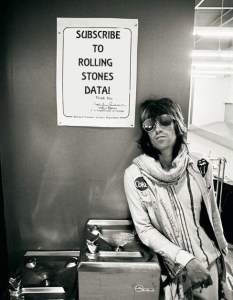 Subscribe to Stones Data here and get all posts delivered to you for free. Everybody got to go!
 Stones Data on Substack